
Soups & Stews
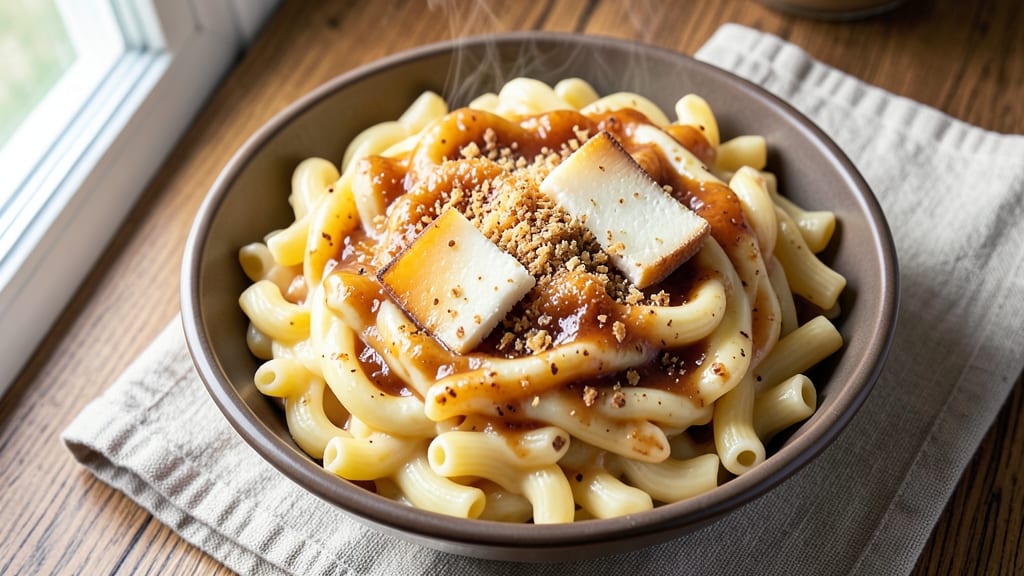
This Martha Stewart mac and cheese recipe with Gruyère delivers that signature ultra-creamy texture with nutty depth that makes every bite irresistible—all thanks to a precise roux and the perfect cheese blend. without overpowering.
I've tested this recipe countless times in my Boston kitchen, and it never fails to impress—whether for a weeknight dinner or a special gathering.
What sets this recipe apart is the balance of creamy comfort and refined technique. The stovetop method ensures a silky sauce that clings to each pasta strand, while the optional breadcrumb topping adds a satisfying crunch.
Gruyère's natural sweetness and meltability elevate this classic dish to restaurant-quality levels, and the method is foolproof once you master the roux.
By the time you serve this mac and cheese, you'll have a dish that's velvety smooth with a golden, bubbling surface—proof that homemade can rival any takeout. The nutty aroma of Gruyère fills the kitchen as it bakes, creating an experience that's as comforting as it is impressive.
This is the kind of recipe that transforms a simple pasta night into a memorable meal.
The beauty of this method is its flexibility—serve it immediately for a stovetop version or bake it for that perfect golden crust. Either way, you'll achieve that Martha Stewart signature: creamy, rich, and utterly satisfying. Let's get started on creating this timeless classic.
Ingredients for martha stewart mac and cheese recipe with gruyere
Gruyère's nutty depth meets creamy perfection in this Martha Stewart-inspired mac and cheese.
| Ingredient | Amount | Notes |
|---|---|---|
| Extra-Sharp White Cheddar Cheese 🧀 | 2 cups | Shredded, block preferred |
| Gruyère Cheese 🧀 | 1 cup | Freshly grated, nutty flavor |
| Medium Elbow Macaroni 🍝 | 12 oz | Dry pasta, al dente preferred |
| Unsalted Butter 🧈 | ½ cup | Cold, cut into small cubes |
| All-Purpose Flour 🌾 | ¼ cup | For roux, sifted preferred |
| Heavy Cream 🥛 | ½ cup | Full-fat for creaminess |
| Whole Milk 🥛 | ½ cup | Room temperature preferred |
| Yellow Onion 🧅 | 1 whole | Diced, sweet variety |
| Garlic Cloves 🧄 | 3 cloves | Minced, fresh preferred |
| Salt 🧂 | 1 ½ tsp | Kosher salt, adjust to taste |
| Ground Black Pepper 🌶️ | ½ tsp | Freshly ground preferred |
| Nutmeg 🌿 | ¼ tsp | Freshly grated, fine |
| Panko Breadcrumbs 🍞 | ¼ cup | For topping, optional |
| Extra-Virgin Olive Oil 🫒 | 2 tbsp | For finishing, fruity |
The Gruyère is non-negotiable here—look for a wedge at specialty shops like Whole Foods or Di Bruno Bros for the best quality. Pre-shredded cheese often contains anti-caking agents that prevent smooth melting. For the white cheddar, Cabot or Tillamook brands deliver that sharp, tangy bite that balances the Gruyère's richness. The pasta should be medium elbow—De Cecco or Barilla are reliable choices, but any dry pasta will work. Keep your butter cold when making the roux; this prevents the flour from cooking too quickly and creating lumps. If you're short on time, pre-shredded Gruyère works, though freshly grated is ideal for that signature Martha Stewart texture.
No Gruyère? Comté or Emmental cheese can substitute at a 1:1 ratio, though the flavor will differ slightly. Running out of heavy cream? Half-and-half plus a splash of milk works, but the sauce won't be quite as velvety. For the nutmeg, pre-ground works fine, but freshly grated adds a brighter flavor. If you're avoiding dairy, nutritional yeast can mimic some of the umami depth, though it won't replicate the melt. The breadcrumbs are optional but add a satisfying crunch—panko stays crispy better than regular breadcrumbs when toasted. For a vegan version, swap the butter for vegan butter or olive oil, and use dairy-free milk and cheese alternatives.
Store any leftovers in an airtight container for up to 5 days—though this dish is so good, you'll likely finish it sooner. The sauce thickens as it cools, so reheat with a splash of milk to restore creaminess. For best results, bake the mac and cheese fresh, but it reheats beautifully in the oven at 350°F for 15-20 minutes. If you're prepping ahead, cook the pasta and make the sauce separately, then combine just before baking. The nutmeg loses potency over time, so add it fresh when reheating if you've stored it longer than a few days.
Why You'll Love This Recipe
- You already own everything: elbow mac, butter, flour. No specialty cheeses to hunt down, no weird add-ins. It costs me about $8 for a crowd, and I’ve served it at game nights, book club, and my mom’s 70th birthday. (She cried. It was the cheese.)
- One-Pot Magic: I swear by this roux-based method—just melt butter, whisk in flour, then add milk until it’s silky. No blender, no straining, just that rich, velvety sauce clinging to every noodle. (Between us, I’ve burned a few rouxes in my life, but this one’s forgiving.)
- Gruyère Glamour: That nutty, melty Gruyère? It’s what turns this from "weeknight dinner" to "I’d pay $20 at a restaurant for this." The sharp cheddar cuts through the richness, and when it browns on top? Crispy edges every time—no broiler tricks needed.
- Leftover Luxury: Honestly, I make a double batch on Sundays because reheating this is next-level. The sauce stays creamy (no sad, dry casserole here), and the pasta holds its shape. My kids ask for it cold in lunches—yes, even after school.
Step-by-step instructions for Martha Stewart's gruyere mac and cheese
Here's how to create Martha Stewart's signature ultra-creamy mac and cheese with nutty Gruyère depth.
Cook the Pasta to Al Dente Perfection
Bring a large pot of water to a rolling boil, adding 1.5 teaspoons salt once boiling. Add the 12 ounces medium elbow macaroni and cook until 1 minute before the package's recommended al dente time. This slight undercook prevents mushiness when combined with the cheese sauce later. Reserve 1 cup of the starchy pasta water before draining—this liquid is essential for creating the creamy texture.
Drain the pasta thoroughly but don't rinse it. The surface starch helps the cheese sauce cling to each noodle. I like to give the drained pasta a quick shake in the colander to break up any clumps before transferring it to a large mixing bowl. This ensures even coating with the cheese sauce later.
Build the Ultra-Creamy Cheese Sauce
In a separate large pot, melt the ½ cup unsalted butter over medium heat. Once melted, whisk in the ¼ cup all-purpose flour to form a roux. Cook for 1-2 minutes until the mixture turns a pale golden color and smells nutty—this prevents a raw flour taste in your final dish.
Gradually whisk in the ½ cup whole milk and ½ cup heavy cream, allowing each addition to fully incorporate before adding more. The sauce should begin to thicken noticeably. Reduce heat to low and stir in the 2 cups shredded extra-sharp white cheddar cheese and 1 cup freshly grated Gruyère cheese until completely melted and smooth. Here's the thing—don't rush this step. The cheese needs time to fully melt and create that signature velvety texture.
Sauté Aromatics for Depth of Flavor
While the cheese sauce simmers, heat 2 tablespoons extra-virgin olive oil in a separate skillet over medium heat. Add the diced yellow onion and cook for 5-6 minutes until softened and translucent. Add the 3 minced garlic cloves and cook for an additional 30 seconds until fragrant—this prevents bitter garlic flavors.
Transfer the sautéed onion and garlic to the cheese sauce pot. Stir in the ½ teaspoon ground black pepper, ¼ teaspoon freshly grated nutmeg, and remaining ½ teaspoon salt if needed. The nutmeg adds that signature warmth that makes this recipe special. Taste and adjust seasoning—Gruyère is naturally salty, so you might not need all the salt.
Combine and Create the Perfect Texture
Add the cooked pasta to the cheese sauce and gently fold everything together using a large wooden spoon or spatula. If the sauce appears too thick, gradually add reserved pasta water 1 tablespoon at a time until you achieve a creamy consistency that coats the back of a spoon. The sauce should be thick enough to cling to the pasta but still flow smoothly.
For that restaurant-quality finish, I like to transfer the mac and cheese to a baking dish and sprinkle the ¼ cup panko breadcrumbs evenly over the top. This creates a crispy, golden crust when baked. Preheat your oven to 350°F and bake for 10-12 minutes until the top is golden brown and bubbly. The breadcrumbs add a delightful textural contrast to the creamy interior.
Rest and Serve for Maximum Creaminess
Remove the mac and cheese from the oven and let it rest for 5 minutes before serving. This resting period allows the sauce to fully set and the flavors to meld together. The dish should be creamy yet still hold its shape when served, with a beautiful golden crust on top.
Serve immediately with a side of steamed green vegetables or a simple arugula salad. The combination of Gruyère's nutty flavor and the sharp cheddar creates a depth that makes this mac and cheese truly special. Each bite should deliver that perfect balance of creamy, cheesy goodness with just the right amount of texture from the breadcrumb topping.
Pro Tips For Making Martha Stewart Mac And Cheese Recipe With Gruyere
- Melt Cheese Slowly: Gruyère and sharp cheddar play hide-and-seek when rushed—start melting them over medium-low heat with the butter, stirring constantly until the butter’s just golden but not browned. I learned this the hard way after one batch turned into a sad, grainy paste because I cranked the heat too high.
- Grate Cheese Fresh: Pre-shredded cheese is coated in anti-caking agents that make the sauce clump like a bad hair day. Use a box grater for Gruyère and sharp cheddar right before adding it to the roux—it melts smoother and coats the pasta perfectly.
- Taste the Roux Early: The roux is the foundation, so taste it before adding cheese—it should be nutty and rich, not bland. If it’s flat, add a pinch of salt or a splash of lemon juice (yes, really) to brighten it up. This isn’t the prettiest method, but it works every time.
- Reserve Some Starch: Before draining the pasta, scoop out ½ cup of the starchy cooking water—it’s liquid gold for binding the sauce. Add it gradually while stirring, or you’ll end up with a dry, crumbly mess. Trust me, your future self will notice the difference.
Storing and reheating this martha stewart mac and cheese recipe with gruyere
Refrigerator Storage
This mac and cheese keeps beautifully in the fridge for up to 5 days when stored in an airtight container with a tight-fitting lid. I swear by glass Pyrex containers because they maintain temperature better than plastic and won’t absorb any funky odors.
Let the dish cool completely before transferring—hot dishes create condensation that makes the sauce watery. The Gruyère’s nutty flavor actually develops deeper overnight, so leftovers often taste even better the next day. 🧀
Freezer Prep Tips
For long-term storage, freeze individual portions in single-serving glass containers or quart-sized freezer bags. Leave 1 inch of headspace at the top since the sauce expands when frozen.
I like to label everything with the date—this mac and cheese stays good for up to 3 months without losing its creamy texture. The breadcrumb topping stays crispy if you freeze it separately and toast it fresh when reheating. ❄️
Oven Reheating
My preferred method is reheating in the oven at 350°F for 15-20 minutes until bubbly. Cover the dish loosely with foil for the first 10 minutes, then remove it to crisp the breadcrumbs.
Add 1-2 tablespoons of milk if the sauce looks too thick—this restores that signature velvety consistency. The Gruyère melts beautifully during reheating, so you’ll get that same restaurant-quality texture. 🔥
Stovetop Revival
For quick reheating, use a heavy-bottomed saucepan on low heat with 2 tablespoons of milk or cream. Stir constantly to prevent scorching—this sauce burns easily. If the breadcrumb topping gets soggy, toast it fresh in a dry pan for 1-2 minutes after reheating.
I’ve found that adding a pinch of nutmeg while reheating brings back that signature warmth. The pasta should be hot throughout before serving. ✨
Microwave Shortcuts
When I’m in a rush, I reheat single portions in the microwave for 90 seconds on 50% power, stirring halfway. Add 1 tablespoon of milk to prevent dryness. For the breadcrumb topping, sprinkle fresh panko on top after microwaving and broil for 1-2 minutes to restore crispiness.
This method works best for stovetop versions—baked mac and cheese reheats better in the oven. 💡
Texture Recovery
If your reheated mac and cheese looks dry, don’t panic! Stir in 1-2 tablespoons of warm milk or cream and let it sit for 2-3 minutes to reabsorb. The Gruyère’s natural oils will help restore creaminess.
For extra richness, add a pat of butter while reheating. This dish is incredibly forgiving—I’ve resurrected overcooked batches with just a splash of milk and a sprinkle of fresh nutmeg. 💛
Nutrition facts
Frequently asked questions
Can I make this mac and cheese without baking it?
For a stovetop version, simply combine all ingredients in a large pot over low heat until the cheese melts completely. Stir in reserved pasta water as needed for creaminess. The texture will be slightly softer than baked, but just as delicious—perfect for quick weeknight dinners.
What makes Gruyère better than other cheeses in mac and cheese?
Gruyère's nutty, slightly sweet flavor adds depth that sharp cheddar alone can't match. Its natural meltability creates that signature velvety texture Martha Stewart is known for. Plus, it holds up beautifully when baked, giving each bite that perfect balance of creaminess and subtle complexity.
How do I fix a sauce that's too thick or too thin?
For a thick sauce, add reserved pasta water 1 tablespoon at a time until silky smooth. If too thin, cook uncovered on low heat for 2-3 minutes to evaporate excess liquid. The key is patience—Gruyère melts gradually, so let it work with the heat rather than rushing it.
Can I substitute Gruyère with another cheese?
Yes! Comté or Emmental work well in a pinch, though the flavor will differ slightly. For best results, use a 1:1 ratio and add ¼ teaspoon extra nutmeg to compensate for Gruyère's natural depth. Avoid pre-shredded cheeses—they contain anti-caking agents that prevent smooth melting.
Why does my mac and cheese get grainy when baked?
This usually happens when cheese isn't fully melted before baking or when the sauce cools too quickly. Always melt cheeses completely on the stovetop first, then transfer to a preheated baking dish. For extra insurance, strain the sauce through a fine-mesh sieve before baking to catch any unmelted bits.