
Appetizers
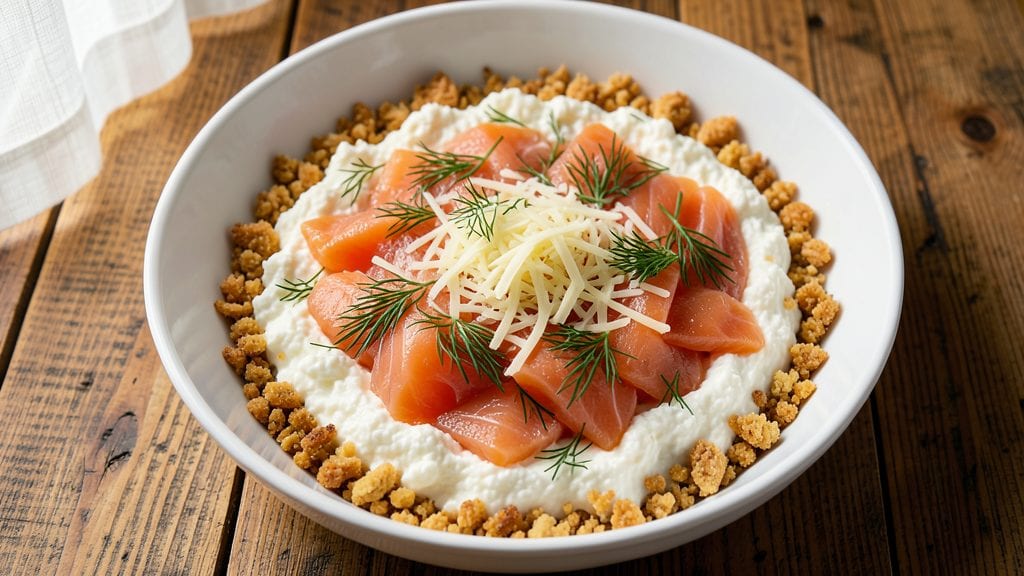
Transforming canned salmon and cottage cheese into a crispy-topped appetizer is one of those unexpected flavor fusions that actually works. This recipe combines the smoky depth of canned salmon with the creamy richness of cottage cheese, topped with a golden, crispy crust that adds texture and visual appeal.
The result is a dish that's both satisfying and surprisingly elegant, perfect for parties or a simple weeknight snack.
What makes this recipe special is how simple yet effective it is. You'll start with canned salmon, drained and flaked, mixed with cottage cheese to create a creamy base. The topping—a blend of crushed crackers, melted butter, and seasonings—creates that coveted crispy finish.
The dish bakes until golden and bubbly, with a texture that contrasts beautifully against the creamy filling.
By the time it comes out of the oven, you'll have a dish that's rich, flavorful, and impossible to resist. The crispy top adds a satisfying crunch, while the salmon and cottage cheese filling delivers a smoky, tangy, and creamy balance.
It's the kind of appetizer that disappears quickly, leaving guests asking for seconds.
Serve this dish warm or at room temperature, paired with a simple green salad or crusty bread to soak up any extra filling. The recipe is versatile enough to adapt to your preferences—add herbs, spices, or even a touch of lemon zest for extra brightness.
Let's get started on this delicious fusion!
Ingredients for canned salmon cottage cheese
Eight simple ingredients transform into a crispy, smoky, creamy appetizer that's impossible to resist.
| Ingredient | Amount | Notes |
|---|---|---|
| Canned Salmon (Wild, in Water) 🐟 | 2 cans | Drained and flaked thoroughly |
| Large-Curd Cottage Cheese 🧀 | 16 oz | Full-fat for creaminess |
| Ritz Crackers 🍞 | 1 ½ cups | Crushed into fine crumbs |
| Unsalted Butter 🧈 | ½ cup | Melted and cooled slightly |
| Extra-Sharp White Cheddar Cheese 🧀 | ½ cup | Shredded, for extra tang |
| Fresh Dill (or Dried Dill) 🌿 | 2 tbsp | Chopped, for bright flavor |
| Lemon Zest 🍋 | 1 tbsp | Brightens up the dish |
| Garlic Powder 🧄 | 1 tsp | Adds subtle depth |
| Black Pepper 🌶️ | ½ tsp | Freshly cracked |
| Sea Salt 🧂 | ½ tsp | Adjust to taste |
| Heavy Cream (or Sour Cream) 🥛 | ¼ cup | For extra richness |
| Eggs 🥚 | 1 whole | For binding filling |
| Chives 🌱 | 2 tbsp | Fresh, chopped for garnish |
The salmon is the star here—wild-caught in water has the best flavor, but any canned salmon works. Drain it well and flake it thoroughly (no chunks!). For cottage cheese, full-fat and large-curd gives the creamiest texture. I grab mine from Trader Joe's or the store brand—just make sure it's not that weird low-fat stuff. The Ritz crackers? Don't use saltines or graham crackers—the buttery flavor matters for that crispy top. If you're feeling fancy, toast the crackers first for extra crunch.
No Ritz crackers? Panko breadcrumbs or crushed potato chips work in a pinch (yes, really). Short on dill? Fresh parsley or chives at double the amount add brightness. The cheddar can be swapped for Parmesan or Gruyère if you've got it. For extra richness, swap heavy cream with Greek yogurt or sour cream. The egg is non-negotiable—it binds the filling so it doesn't get watery. Pro tip: Microwave the butter 40 seconds to just melt it—no greasy mess.
This keeps 3 days in the fridge, but honestly it's even better the next day once everything settles. Freeze portions for up to 2 months—just bake straight from frozen. I like to portion mine into small ramekins so they're perfect for parties. Garnish with extra chives and a sprinkle of flaky salt right before serving. Leftovers? Toast them in the oven for 5 minutes to revive the crispy top.
Why You'll Love This Recipe
- Five-Ingredient Magic: I swear by this combo—wild salmon’s buttery richness, sharp cheddar’s bite, and cottage cheese’s tang all melt into Ritz crackers like a grown-up grilled cheese. No fancy prep, just layer and toast.
- Creamy Crunch Fix: That crispy cracker shell gives way to a gooey, salty-sweet center—honestly, it’s the kind of handheld meal that disappears in three bites. (Yes, even on a Tuesday night.)
- Lunchbox Legend: Pack these into a container, and suddenly you’ve got a protein-packed lunch that keeps kids (or adults) full until dinner. No reheating, no fuss—just grab and go.
- Pantry Powerhouse: Between us, this recipe costs less than takeout but feels like a fancy charcuterie board. Canned salmon and cottage cheese stretch far, so you’ll have leftovers that taste just as good cold the next day.
Step-by-step instructions for crispy top salmon cottage cheese
Here's how to create a perfect blend of textures and flavors—crispy cracker topping meets creamy salmon filling.
Prepare the Crispy Cracker Topping
Preheat your oven to 350°F and line a baking sheet with parchment paper. In a food processor, pulse the 1.5 cups Ritz crackers until they turn into fine crumbs. Transfer these to a medium bowl and mix in the 0.5 cup unsalted butter (melted and cooled slightly) until evenly combined.
Next, fold in the 0.5 cup extra-sharp white cheddar cheese (shredded), 2 tbsp fresh dill (or dried dill), 1 tbsp lemon zest, 1 tsp garlic powder, 0.5 tsp black pepper, and 0.5 tsp sea salt. The mixture should look like wet sand—just moist enough to hold together when pressed. If it feels too dry, add 1 tsp heavy cream to help bind it.
Spread the cracker mixture evenly onto the prepared baking sheet, forming a ¼-inch thick layer. Bake for 12-15 minutes until the edges are golden brown and the top looks crispy. Let it cool completely—this prevents sogginess when you add the filling later.
Mix the Creamy Salmon Filling
In a large bowl, gently combine the 16 oz large-curd cottage cheese (full-fat for creaminess) with the 2 cans canned salmon (drained and flaked thoroughly). Use a fork to break up any large salmon chunks into smaller pieces, but don't overmix—you want some texture. Add the 0.25 cup heavy cream (or sour cream) and stir until fully incorporated.
In a separate small bowl, whisk together the 1 whole egg, 1 tbsp lemon zest, 2 tbsp fresh dill (or dried dill), 0.5 tsp black pepper, and 0.5 tsp sea salt. Pour this mixture into the salmon-cottage cheese bowl and stir gently until everything is evenly combined. The filling should be thick but still spoonable—if it feels too stiff, add 1-2 tbsp heavy cream to loosen it.
Assemble and Bake for Perfect Texture
Place the cooled cracker topping on a serving platter or in a shallow baking dish. Spoon the salmon filling evenly over the cracker layer, spreading it into a ½-inch thick layer. The filling should cover the cracker topping completely—this ensures every bite has that crispy contrast.
Bake at 350°F for 20-25 minutes until the filling is set and the edges are lightly golden. You'll know it's done when the center barely jiggles and the top is no longer wet-looking. The cracker topping should be crispy again after baking, not soggy.
Garnish and Serve Warm
Remove the dish from the oven and let it rest for 5 minutes to set completely. Before serving, sprinkle the top evenly with the 2 tbsp chopped chives. This adds a fresh, oniony brightness that cuts through the richness of the salmon and cottage cheese.
Slice into 4 equal portions and serve immediately while the cracker topping is still crispy. The contrast of textures—creamy filling with a crunchy top—makes this dish unforgettable. Pair it with a simple green salad or steamed asparagus for a complete meal.
Pro Tips For Making Canned Salmon Cottage Cheese
- Drain and Pat Dry: The canned salmon’s moisture is the real enemy here—skip the rinse, but drain thoroughly and press it between paper towels for 2–3 minutes. I learned this the hard way when my first batch turned into a soggy, watery mess instead of a crispy, cheesy cracker tower.
- Use Cold Butter: Spread chilled unsalted butter on the Ritz crackers—room temperature butter will make them greasy and floppy. Let it sit in the fridge for 10 minutes before assembling, or even better, use a spoon to scoop it straight from the fridge onto the crackers.
- Layer Cheese Last: Add the cottage cheese and cheddar right before baking, not when you start. The heat will make the cottage cheese weep if it sits too long, and the cheddar won’t melt as nicely. I now assemble the salmon and crackers first, then top with cheese just before popping it in the oven.
- Bake Until Bubbly: Don’t pull it out at the first sign of color—wait until the cheddar is actively bubbling and the crackers are golden at the edges. Over the years, I’ve found 12–15 minutes at 375°F (350°F if your oven runs hot) is the sweet spot for a gooey, not burnt, finish.
Common mistakes when making your canned salmon cottage cheese
Overmixing the Filling
I’ve ruined this dish more times than I’d like to admit by overmixing the salmon-cottage cheese filling. The cottage cheese is delicate—once you start blending it with the salmon and egg, stop when it’s just combined.
Overworking it introduces too much air, which can cause the filling to separate or become grainy when baked. Use a fork to gently fold everything together, and resist the urge to stir like you’re making pancake batter. 🥄
Skipping the Cooling Step
The cracker topping must cool completely before adding the filling, or it’ll turn into a soggy mess. I’ve rushed this step more than once, only to end up with a dish that’s essentially a cracker-cottage cheese pudding.
Let that topping sit for at least 10 minutes—preferably 15—before assembling. Patience here ensures that crispy texture you’re craving. ⏳
Using Low-Quality Crackers
Not all crackers are created equal, and this recipe demands buttery Ritz-style crackers. Saltines or graham crackers lack the fat and flavor needed to create that perfect golden crust. If you’re out of Ritz, Panko breadcrumbs are your next best bet—they add a lighter crunch.
But don’t even think about using plain saltines; trust me, your dish will suffer. 🍞
Underbaking the Filling
One of the biggest mistakes is pulling this out of the oven too soon. The filling needs to reach 160°F internally to fully set—any lower, and it’ll still be wobbly. I’ve learned the hard way that checking for doneness by jiggling the center is key.
If it moves like Jell-O, it’s not done. Give it 5 more minutes if needed. The cracker topping will crisp up again during that extra time. 🔥
Ignoring the Egg
That single egg is the secret weapon that binds the filling without making it rubbery. I’ve tried skipping it (or using less) to cut costs, but the filling falls apart when sliced.
The egg also helps create that silky texture. If you’re worried about the dish being too rich, use 1 egg white instead—it’ll still work, just with a slightly lighter finish. 🥚
Overloading the Topping
Too much cracker topping can make the dish dense and heavy. Stick to the 1.5 cups called for—any more, and the filling won’t have enough room to shine. I’ve seen people double the crackers, only to end up with a brick-like appetizer.
The topping should be a thin, crispy layer—think of it as the perfect crunchy canvas for the creamy filling beneath. 🎨
Nutrition facts
Frequently asked questions
Can I use canned salmon in oil instead of water?
The recipe works best with salmon packed in water, as the oil version can make the filling too rich and greasy. If you only have oil-packed salmon, drain it thoroughly and pat it dry with paper towels to remove excess fat. You may also need to reduce the heavy cream to 2 tablespoons instead of ¼ cup to balance the richness.
How do I make this dish vegetarian?
Swap the canned salmon for 16 oz firm tofu (pressed and crumbled) or 1 can white beans (drained and rinsed). For extra flavor, add 1 teaspoon nori flakes or 1 tablespoon soy sauce to mimic the umami depth of salmon. The texture will be slightly different but still delicious with the creamy cottage cheese topping.
Can I make this ahead of time?
Assemble the dish (without baking) and refrigerate for up to 24 hours. When ready to bake, add 5 extra minutes to the baking time to account for the cold filling. For best results, bake it straight from the fridge—this helps the cracker topping stay extra crispy. Store leftovers in the fridge for 3 days or freeze for 2 months.
Why did my cracker topping get soggy?
The most common cause is adding the filling before the cracker topping cooled completely. Always let the topping sit for 15 minutes after baking to prevent sogginess. Another tip: Press the cooled topping gently into a shallow dish before adding the filling—this creates a sturdy base that holds up better during baking.
What’s the best way to reheat leftovers?
For a crispy top, cover with foil and warm in a 350°F oven for 10-12 minutes. If you prefer a softer texture, microwave for 30-45 seconds (covered) and let it rest for 1 minute before serving. Avoid reheating in the microwave uncovered—the cracker topping will dry out completely.