
Appetizers
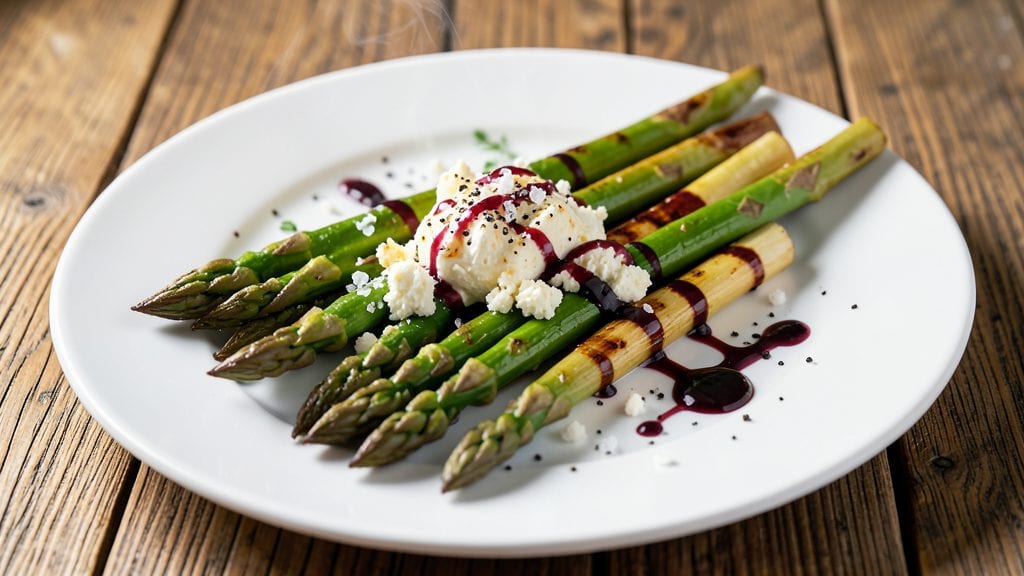
This asparagus with goat cheese recipe transforms a simple spring vegetable into a restaurant-worthy dish that takes just 15 minutes to prepare. The secret lies in roasting asparagus until tender-crisp, then topping it with creamy goat cheese and a tangy balsamic glaze that adds depth and visual appeal.
I've perfected this technique for countless dinner parties, and it never fails to impress—even with fresh, in-season asparagus.
The beauty of this recipe is its simplicity: five core ingredients come together to create a dish that's elegant yet effortless. Roasting the asparagus at high heat ensures a satisfying crunch, while the goat cheese melts into a velvety blanket that contrasts beautifully with the charred edges.
The balsamic glaze ties everything together, adding a touch of sophistication without overpowering the natural flavors. It's the kind of dish that feels special but doesn't require hours in the kitchen.
What you'll end up with is a visually stunning plate featuring bright green asparagus spears with golden, caramelized tips, dollops of creamy goat cheese, and a glossy balsamic reduction.
The textures play perfectly—crisp asparagus, soft cheese, and the slight stickiness of the glaze—while the flavors balance tangy, creamy, and slightly sweet notes. This is the kind of appetizer that disappears quickly, leaving guests asking for seconds.
Perfect for spring and summer gatherings, this recipe scales easily for crowds and pairs beautifully with grilled meats, crusty bread, or a light salad. The method is foolproof, and the results are consistently impressive—ideal for both weeknight dinners and special occasions. Let's get started on creating this showstopping dish!
Ingredients for asparagus with goat cheese
Five essential ingredients elevate simple asparagus into an elegant spring centerpiece.
| Ingredient | Amount | Notes |
|---|---|---|
| Fresh Asparagus Spears 🌱 | 1 lb | Medium thickness, trimmed ends |
| Extra-Virgin Olive Oil 🫒 | 2 tbsp | High-quality, fruity variety |
| Goat Cheese 🧀 | 8 oz | Soft, creamy, room temperature |
| Balsamic Glaze 🍷 | ¼ cup | Store-bought or homemade reduction |
| Diamond Crystal Kosher Salt 🧂 | ½ tsp | Fine grain for even seasoning |
| Freshly Ground Black Pepper 🌶️ | ¼ tsp | Cracked peppercorns preferred |
| Fresh Thyme Leaves 🌿 | ¼ tsp | Dried thyme at one-third amount |
| Honey 🍯 | 1 tsp | Wildflower preferred for depth |
| Toasted Pine Nuts 🥜 | 2 tbsp | Optional garnish for crunch |
The asparagus is non-negotiable—farmers market spears with vibrant green tips and firm stems are ideal. Look for medium-thickness stalks (not too thick) at Whole Foods or specialty grocers like Trader Joe's, where they're often pre-trimmed. If buying whole, snap off the woody ends by bending them until they break naturally. Avoid pre-cut asparagus from the standard produce section—it loses freshness quickly. For the goat cheese, La Tourangelle or Murray's Cheese brands deliver consistent quality, but any soft, creamy variety works. Room temperature cheese melts beautifully, so take it out of the fridge 30 minutes before serving.
No balsamic glaze on hand? Reduce 1/4 cup balsamic vinegar with 1 tsp honey on the stove for 3-4 minutes until syrupy. Swap goat cheese for ricotta or mascarpone if needed, though goat cheese's tang is signature. Fresh thyme is ideal, but dried works at one-third the amount. For pine nuts, walnuts or pecans add texture if unavailable. The olive oil should be extra-virgin—cheap oil will taste harsh when roasted. If you're vegetarian, ensure your goat cheese is vegetarian-certified (some brands use animal rennet).
Store trimmed asparagus wrapped in damp paper towels in a sealed container for 3-4 days—they crisp up beautifully when chilled. Goat cheese keeps up to 2 weeks unopened, but once opened, use within 5 days. The balsamic glaze can be made ahead and stored for 3 months in the fridge. For make-ahead prep, roast the asparagus, cool completely, then refrigerate. Reheat in a 350°F oven for 5 minutes before adding cheese and glaze. Garnish with toasted nuts just before serving to maintain crispness.
Why You'll Love This Recipe
- The secret’s in the roasting: tender asparagus with that perfect char around the edges, then the cool, tangy goat cheese melting right into the balsamic glaze. It’s like a flavor hug—sweet, salty, creamy, and just a little sharp. My picky-eater husband actually licked his plate.
- Five-Ingredient Magic: I swear by this combo—just asparagus, olive oil, goat cheese, balsamic, and salt. That’s it. No overcomplicating, no hunting for obscure spices. Honestly, the first time I made it, I almost felt guilty for how little effort went into something so good.
- Crispy-Creamy Harmony: The secret’s in the roasting: tender asparagus with that perfect char around the edges, then the cool, tangy goat cheese melting right into the balsamic glaze. It’s like a flavor hug—sweet, salty, creamy, and just a little sharp. My picky-eater husband actually licked his plate.
- Weeknight to Dinner Party: Throw it together in 20 minutes for a lazy Tuesday, or dress it up with toasted bread and a glass of wine for guests. Same dish, totally different vibes. Between us, I’ve served this as a side at holiday dinners and as a main with crusty bread—no one ever questions it.
Step-by-step instructions for balsamic-glazed asparagus with goat cheese
This method delivers perfectly tender asparagus with a rich, balanced combination of sweet, tangy, and creamy flavors.
Trim and Blanch the Asparagus Spears
Begin by snapping off the woody ends of each asparagus spear using a clean, sharp motion at the natural break point. This ensures you remove only the tough, fibrous bottom section while preserving the tender tips. Transfer the trimmed spears to a large pot and cover with cold water by about 1 inch.
Bring the water to a rolling boil over high heat, then immediately reduce to medium-high heat. Add the ½ teaspoon diamond crystal kosher salt and cook the asparagus for 2-3 minutes until they are bright green and just tender when pierced with a knife. The blanching process preserves their vibrant color and ensures they remain crisp-tender rather than mushy. Drain immediately in a colander and rinse briefly under cold water to stop the cooking process. Shake off any excess water and set aside.
Create the Goat Cheese-Honey Mixture
In a small mixing bowl, combine the 8 ounces goat cheese with the 1 teaspoon honey and ¼ teaspoon freshly ground black pepper. Using a fork, gently mix until the goat cheese is smooth and the honey is fully incorporated, creating a creamy, spreadable consistency. The honey will slightly soften the goat cheese while adding a subtle sweetness that balances its tangy flavor.
If the mixture appears too thick, add 1 teaspoon water at a time until it reaches a smooth, pourable consistency. This step is crucial for achieving an elegant drizzle over the asparagus. Cover the bowl and set aside while you prepare the remaining components.
Sauté the Asparagus with Olive Oil and Thyme
Heat a large skillet over medium heat and add the 2 tablespoons extra-virgin olive oil. Allow the oil to warm for 30 seconds until shimmering but not smoking. Add the blanched asparagus spears in a single layer, ensuring they don't overcrowd the pan. Sprinkle evenly with the ¼ teaspoon fresh thyme leaves and cook for 2-3 minutes until the asparagus begins to develop a golden hue and is heated through.
Here's where the flavor comes together: the olive oil infuses the asparagus with its fruity notes, while the thyme adds an earthy aroma. Stir gently once or twice to ensure even cooking, but avoid over-mixing to prevent breaking the spears. The asparagus should remain vibrant and slightly crisp at the edges.
Assemble and Garnish the Dish
Transfer the sautéed asparagus to a serving platter or individual plates. Drizzle evenly with the ¼ cup balsamic glaze, allowing it to cascade over the spears in an artistic pattern. The balsamic's tangy sweetness will complement the earthy asparagus and creamy goat cheese. Immediately follow with the goat cheese-honey mixture, spooning or drizzling it over the asparagus in an even layer.
Sprinkle the 2 tablespoons toasted pine nuts evenly over the top for a satisfying crunch and visual contrast. The pine nuts should be warm but not burning—if they're still cool, gently toast them in a dry skillet for 30 seconds before adding. Serve immediately while the asparagus is still warm and the goat cheese is soft and spreadable.
Pro Tips For Making Asparagus With Goat Cheese
- Trim the Tough Ends: Peel the woody bottoms off the asparagus spears—about the bottom inch or two—before cooking. I used to skip this and ended up with a mouthful of fiber that ruined the texture. Use a vegetable peeler for speed, but don’t go too close to the tips.
- Salt the Water Like the Sea: For roasted or blanched asparagus, use a full teaspoon of kosher salt per quart of water. Too little and the spears taste bland; too much and they’ll turn mushy. Taste-test the water before adding the asparagus—it should taste like the ocean, not a swimming pool.
- Don’t Overcrowd the Pan: Whether roasting or sautéing, give the asparagus space to crisp. A crowded pan steams instead of sears, leaving you with limp spears. Work in batches if needed—your patience will pay off with caramelized edges that hold the goat cheese perfectly.
- Warm the Goat Cheese: Take the goat cheese out of the fridge 10 minutes before serving and let it soften slightly. Cold cheese clumps and tastes harsh, while room-temperature cheese melts into creamy ribbons. If you’re short on time, microwave it for 10 seconds—just don’t overdo it, or it’ll turn to soup.
Flavor customization for this recipe
Sweet and Tangy Twist
Swap the balsamic glaze for a fig and orange reduction—simmer ½ cup chopped dried figs with ¼ cup orange juice and 1 tsp honey for 5 minutes until syrupy. This adds a fruity depth that pairs beautifully with goat cheese's tang. 🍊
Smoky Chipotle Kick
For a bold flavor, mix 1 tsp adobo sauce (from canned chipotle peppers) into the goat cheese before serving. Top with crumbled cotija cheese and a drizzle of smoky chipotle honey (mix 1 tbsp honey with ½ tsp adobo sauce). The smoky heat contrasts perfectly with the asparagus's freshness.
Herb-Infused Variations
Boost the herb profile with lemon-thyme or rosemary-garlic goat cheese. For lemon-thyme, stir 1 tsp lemon zest and 1 tsp chopped thyme into the goat cheese. For rosemary-garlic, mix in 1 minced garlic clove and ½ tsp chopped rosemary. Both add aromatic complexity that elevates the dish.
Nutty Crunch Alternatives
Replace pine nuts with toasted hazelnuts or pecans for a richer, earthier crunch. For extra flair, toast 1 tbsp pumpkin seeds with ½ tsp smoked paprika for a subtle smoky note. These alternatives add texture while complementing the goat cheese's creaminess.
Spicy Heat Options
Add a kick with chili flakes or crispy shallots. Sprinkle ¼ tsp red pepper flakes over the goat cheese for subtle heat, or top with crispy fried shallots (store-bought or homemade) for a sweet, crunchy contrast. The heat cuts through the richness beautifully.
Seasonal Fruit Toppings
In spring, add peach slices or strawberries for a fresh, juicy contrast. In summer, try grilled pineapple or berries with a drizzle of honey-balsamic**. These fruit pairings brighten the dish and add vibrant colors to your plate. 🍓
Nutrition facts
Frequently asked questions
Can I use different types of cheese instead of goat cheese?
For a milder flavor, try ricotta or mascarpone, but goat cheese's tang is key to balancing the dish. For extra richness, swap in creamy brie or feta—just reduce the honey slightly since these cheeses are less acidic.
How do I know when asparagus is perfectly cooked?
Look for bright green spears with just a hint of char on the edges. They should be tender when pierced with a fork but still hold their shape—no mushiness! For roasted asparagus, 4-6 minutes at 425°F is ideal, while sautéed spears take about 2-3 minutes in olive oil.
Can I make this ahead of time for a party?
Yes, but with a twist! Roast the asparagus fully, cool completely, and refrigerate. Reheat in a 350°F oven for 5 minutes before adding the goat cheese and glaze. Keep the cheese and glaze separate until serving to prevent sogginess.
What's the best way to store leftover goat cheese?
Wrap it tightly in plastic wrap and store in the fridge for up to 5 days. For longer storage, freeze in an airtight container for 1 month. Thaw overnight in the fridge—never at room temperature.
Why did my goat cheese get grainy when melted?
This happens when goat cheese isn't at room temperature or contains too much moisture. Always use soft, creamy goat cheese and let it sit out for 30 minutes before using. If it's too thick, add 1 tsp water to smooth it out.