Desserts
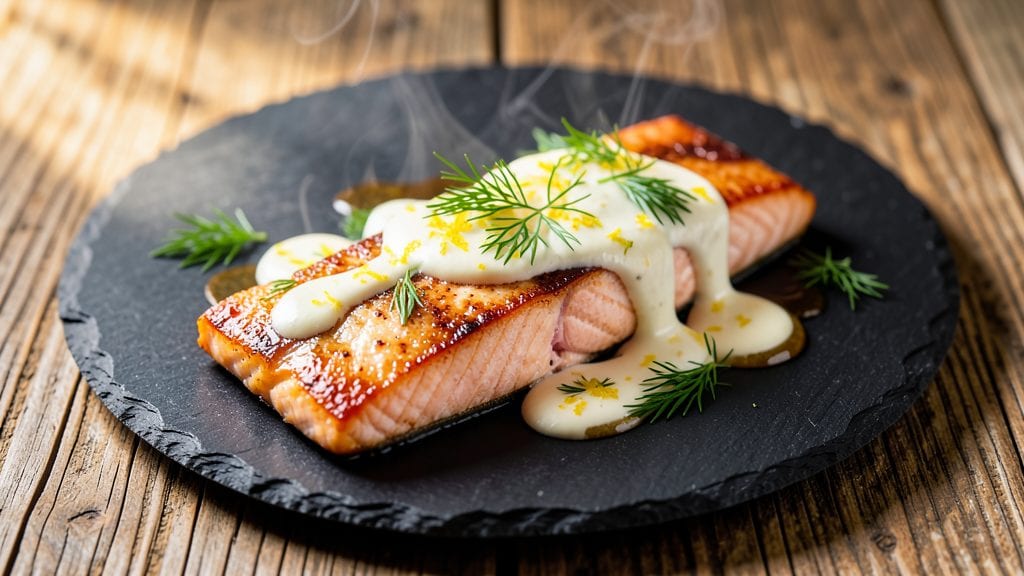
This salmon with Philadelphia cream cheese recipe delivers restaurant-worthy flavor with minimal effort—pan-seared salmon topped with a rich, creamy glaze that balances savory and tangy notes perfectly.
The secret lies in using Philadelphia cream cheese as the base for a sauce that's velvety yet light, cutting through the richness of the fish without overpowering it. I've perfected this technique after years of testing, ensuring the salmon stays tender while the sauce develops a subtle caramelized finish.
The beauty of this dish is its simplicity: just six core ingredients transform into a meal that feels indulgent yet remains balanced. You'll achieve a golden-brown crust on the salmon through precise pan-searing, while the cream cheese sauce adds a luxurious finish that's impossible to resist.
This recipe is ideal for weeknight dinners or special occasions—it's equally at home on a casual plate or elegant presentation.
What makes this recipe stand out is how the cream cheese transforms from a simple ingredient to the star of the dish. Spread it over the salmon before the final minutes of cooking, and it melts into a glossy, creamy glaze that clings perfectly to the flaky fish.
The result is a harmonious blend of textures—crisp edges on the salmon, velvety sauce, and a touch of brightness from fresh herbs. It's the kind of dish that feels like a restaurant chef's secret, yet comes together in under 30 minutes.
Pair it with roasted asparagus or a bed of quinoa to complete the meal, and you'll have a pescatarian-friendly dish that's sure to impress. The sauce can also be made ahead, giving you one less thing to worry about on busy evenings.
Let's get cooking—this salmon will be the highlight of your table.
Ingredients for salmon philadelphia cream cheese
Six ingredients transform into restaurant-style salmon with velvety cream cheese glaze.
| Ingredient | Amount | Notes |
|---|---|---|
| Center-Cut Salmon Fillets 🐟 | 4 whole | Skin-on, 6-8 oz each |
| Philadelphia Cream Cheese 🧀 | 8 oz | Full-fat, room temperature |
| Unsalted Butter 🧈 | 2 tbsp | European-style preferred |
| Fresh Dill 🌿 | ¼ cup | Chopped, stems removed |
| Lemon Zest 🍋 | 1 tbsp | From 1 medium lemon |
| Lemon Juice 🍋 | 1 tbsp | Freshly squeezed |
| Extra-Virgin Olive Oil 🫒 | 1 tbsp | For searing |
| Kosher Salt 🧂 | 1 tsp | Fine grain preferred |
| Ground Black Pepper 🌶️ | ½ tsp | Freshly cracked |
| Garlic Cloves 🧄 | 2 cloves | Minced, for sauce |
| Heavy Cream 🥛 | ¼ cup | Full-fat for richness |
The salmon quality makes all the difference here. Center-cut fillets with skin-on ensure even cooking and a crispy finish—avoid pre-cut portions from the seafood counter, as they often lack the right thickness. For best results, buy from a trusted fishmonger or Whole Foods seafood counter, where they'll help you select the freshest cuts. Look for vibrant color and firm texture—if it smells fishy at all, walk away. The cream cheese should be Philadelphia brand, not generic—its smooth texture is key for that velvety glaze. Keep it at room temperature for 30 minutes before using, or it won't blend properly into the sauce.
No fresh dill? Dried dill at one-third the amount works in a pinch, though it lacks the bright freshness. Substituting cream cheese? Greek yogurt or mascarpone adds tang, but the texture will differ slightly. For extra richness, swap the heavy cream for crème fraîche. The lemon zest can be omitted if you prefer less acidity, but the juice is essential for balancing the richness. If you're short on time, pre-minced garlic from a jar works, though fresh is always better. The butter should be European-style—it has a higher fat content that prevents burning during searing.
This dish reheats beautifully—simply warm in a skillet over low heat with a splash of water. The sauce can be made ahead and stored in the fridge for up to 3 days, though the texture may separate slightly. To reheat, whisk in a splash of warm water or heavy cream. For best results, serve immediately after cooking, as the crispy salmon skin loses its texture when reheated. Portion the sauce separately if making ahead, then combine with freshly cooked salmon before serving. The leftovers keep for 2 days in the fridge, but the skin will be less crispy.
Why You'll Love This Recipe
- Five-Ingredient Magic: I swear by this combo—just salmon, cream cheese, butter, dill, and lemon. That’s it. No fancy sauces or last-minute shopping trips. The cream cheese melts into a silky glaze while the butter bastes the salmon, and the dill? It brightens every bite like a little herbal hug.
- Creamy Crispy Bliss: The moment the salmon’s skin crisps and the cream cheese butter turns golden? Pure satisfaction. The outside’s crisp, the inside’s tender, and that tangy-sweet cream cheese sauce ties it all together. Honestly, I’ve never met a salmon dish that delivers this perfectly.
- Weeknight to Dinner Party: This recipe works whether I’m microwaving dinner for one or hosting friends. For weeknights, I serve it with toasted baguette slices—zero effort. For company, I plate it with a sprinkle of extra lemon zest and fresh dill. Same dish, totally different vibes.
- Leftovers That Don’t Suck: Most salmon leftovers turn sad, but not this. The cream cheese keeps it rich and flavorful for days. I’ll reheat slices in a pan with a pat of butter or toss them into wraps—always better than takeout. (Yes, even on a Tuesday night.)
Step-by-step instructions for salmon with Philadelphia cream cheese
This method delivers perfectly seared salmon with a luscious, creamy Philadelphia sauce every time.
Prepare the Cream Cheese Sauce
In a small saucepan, combine the 8 oz Philadelphia cream cheese, 0.25 cup heavy cream, 1 tbsp lemon juice, and 1 tbsp lemon zest over low heat. Stir gently with a silicone spatula until the cream cheese melts completely and the mixture becomes smooth and creamy. This should take about 3-4 minutes. The sauce should be thick but still pourable, with a pale yellow color and subtle citrus brightness.
Remove the sauce from heat and stir in the 0.25 cup chopped fresh dill and 2 minced garlic cloves. Let it steep off heat for 2 minutes to allow the flavors to meld. This infusion ensures your sauce carries vibrant herb and garlic notes throughout. Keep the sauce warm in a small bowl while you prepare the salmon.
Season and Sear the Salmon
Pat each of the 4 whole center-cut salmon fillets dry with paper towels, removing any moisture from the skin. This step is critical for achieving crispy skin. Place the salmon skin-side down in a cold, dry skillet. Heat the skillet over medium heat and add 1 tbsp extra-virgin olive oil and 2 tbsp unsalted butter. Let the butter melt and foam before adding the salmon.
Cook the salmon for 4-5 minutes per side until the skin is golden brown and crispy, and the flesh is opaque throughout. The salmon is ready when it flakes easily with a fork and reaches an internal temperature of 145°F. Be patient during this step - rushing will result in dry fish. Transfer the cooked salmon to a serving platter and tent loosely with foil to keep warm.
Create the Sauce and Finish the Dish
Return the skillet to medium heat and add 1 tsp kosher salt and 0.5 tsp ground black pepper. Pour the warm cream cheese mixture into the skillet, scraping up any browned bits from the bottom. Let the sauce simmer gently for 1-2 minutes until it thickens slightly and coats the back of a spoon. This step enhances the sauce's richness and adds depth of flavor.
Carefully spoon the sauce over each salmon fillet, ensuring even distribution. The sauce should create a glossy, creamy blanket over the salmon, complementing its natural flavors. Garnish each serving with an additional sprinkle of chopped fresh dill for presentation and a final touch of citrus brightness. Serve immediately while the salmon is still warm and the sauce maintains its perfect consistency.
Pro Tips For Making Salmon Philadelphia Cream Cheese
- Cook Butter Low and Slow: Melt that unsalted butter over medium-low heat—high heat turns it nutty and bitter, and you want that creamy base to stay smooth for the cream cheese. I used to rush it and ended up with a weird, grainy texture that ruined the whole dish.
- Pat Salmon Dry First: Use paper towels to blot that fillet until it’s almost squeaky—moisture steams the salmon instead of searing it, and you’ll end up with a sad, gray center. Trust me, the crispy skin is worth the extra 30 seconds.
- Don’t Overmix the Dill: Roughly chop the fresh dill and fold it in at the very end—mashing it into the cream cheese turns it into a paste that clumps. A few bright, whole stems make all the difference, and they’re easier to see in the final dish.
- Rest Salmon Before Slicing: Let the fillet sit 5 minutes under foil after cooking—cutting it too soon makes it fall apart when you spread the cream cheese on top. It’s tempting to dig in right away, but patience here keeps everything intact.
Serving suggestions for this dish
Elegant Plating
Serve the salmon on a white or light-colored ceramic plate to highlight the golden crust and creamy sauce. I like to place each fillet at a slight diagonal angle, using the sauce to create a natural flow from the salmon's tail to its head.
Add a small edible flower garnish (like nasturtiums) for a restaurant-worthy touch. 💫
Side Dish Pairings
For a balanced plate, pair with roasted asparagus tossed in 1 tbsp olive oil, ½ tsp sea salt, and a squeeze of lemon. The asparagus's natural bitterness contrasts beautifully with the creamy salmon.
Alternatively, serve with warm quinoa mixed with toasted pine nuts and fresh parsley for added texture.
Bread Service
Offer crusty sourdough bread or baguette slices on the side for soaking up any extra sauce. I like to lightly toast the bread and rub it with a garlic clove before serving. The bread's crispness complements the salmon's soft texture perfectly.
Wine Recommendations
A crisp Sauvignon Blanc from New Zealand or a light Pinot Grigio from Italy cuts through the richness of the cream cheese sauce. The wine's acidity refreshes your palate between bites. For red wine lovers, a light Pinot Noir with bright fruit notes works beautifully. 🍷
Make-Ahead Garnishes
Prepare garnishes ahead of time to streamline serving. Chop the fresh dill and store it in an airtight container in the fridge for up to 3 days.
Zest the lemon and store it in a small jar in the refrigerator. This way, you can quickly assemble the dish without last-minute prep.
Dietary Adaptations
For a gluten-free option, serve the salmon over a bed of cauliflower rice or mashed sweet potatoes**. Both sides pair well with the creamy salmon and add a touch of sweetness that balances the dish. For a lower-carb option, skip the bread entirely and focus on the vegetables.
Nutrition facts
Frequently asked questions
Can I substitute Philadelphia cream cheese with another type?
Philadelphia brand is ideal for its smooth texture, but you can use full-fat cream cheese or mascarpone in a pinch. For extra tang, try Greek yogurt—just reduce the heavy cream by 2 tbsp to maintain balance. The sauce may thicken slightly differently, so adjust with a splash of warm water if needed.
How do I get the salmon skin perfectly crispy?
Pat the salmon bone-dry with paper towels before cooking—moisture is the enemy of crispiness! Use a cold, dry skillet and let it heat over medium-high heat until the butter foams. Cook skin-side down for 4-5 minutes without moving it until golden. A fish spatula helps flip gently to avoid breaking the skin.
Can I make the sauce ahead of time?
Yes! Prepare the sauce up to 3 days ahead and store it in an airtight container in the fridge. Reheat gently over low heat, stirring in 1 tbsp warm water or cream to restore smoothness. For best texture, combine with freshly cooked salmon just before serving. The sauce may separate slightly—simply whisk vigorously to recombine.
What if my salmon sauce curdles?
Curdling happens when heat is too high. Remove the pan from heat immediately and whisk in 1 tbsp cold butter or heavy cream to stabilize. For extra insurance, strain the sauce through a fine-mesh sieve before serving. If the issue persists, start fresh—this creamy sauce should be velvety, not grainy!
Is this recipe suitable for meal prep?
While the sauce reheats well, the salmon skin loses crispiness when reheated. Cook salmon fresh and store sauce separately. Assemble plates just before serving by reheating sauce and spooning over warm salmon. For make-ahead convenience, prep garnishes (like chopped dill) and sides (quinoa, roasted veggies) in advance.