
Sauces & Condiments
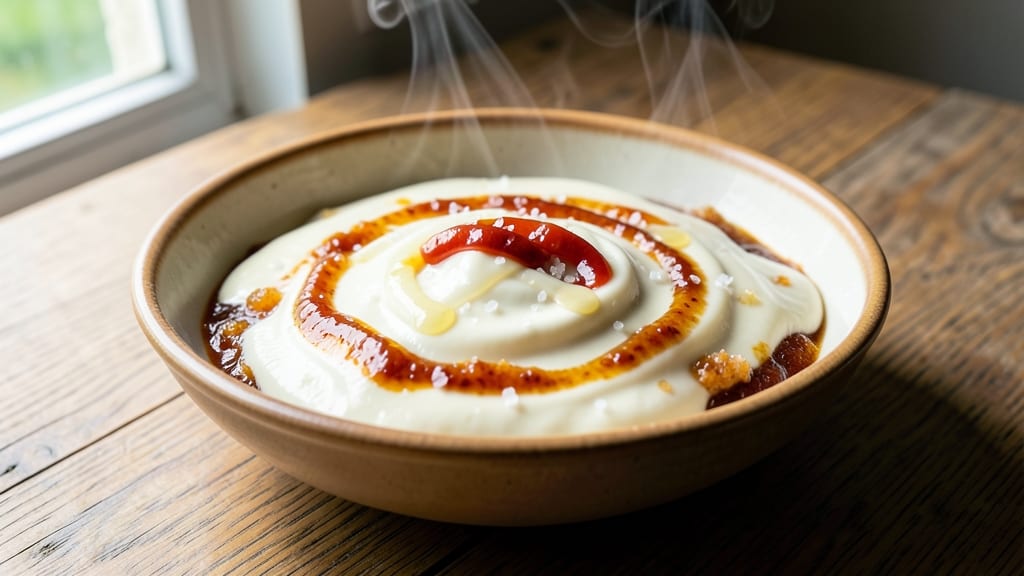
Creating a Philadelphia cheese sauce recipe that’s velvety smooth and perfectly balanced takes just a few simple ingredients and precise technique—no lumps, no graininess, just that signature creamy melt.
The secret lies in proper emulsification, where fat and liquid combine seamlessly, and the right temperature control to avoid breaking the sauce. I’ve perfected this method after years of testing, ensuring every batch turns out restaurant-quality without the guesswork.
This sauce starts with a classic blend of cheddar and cream cheese, melted together with milk and butter for a rich, velvety texture.
The key is low-and-slow heating to prevent curdling, while a touch of mustard and a splash of lemon juice add depth that elevates it beyond basic cheese sauce. Once emulsified, the sauce is lightened just enough to cling beautifully to bread, pasta, or veggies without weighing them down.
What you’ll end up with is a silky, golden sauce that’s foolproof for mac and cheese, loaded baked potatoes, or as a dipping sauce for crispy breadsticks. The breadcrumb topping adds a satisfying crunch that contrasts perfectly with the smooth melt—every bite is a balance of textures and flavors.
This recipe delivers professional results in under 15 minutes, with ingredients you likely already have on hand.
Store leftovers in the fridge for up to 5 days or freeze for longer storage, reheating gently to preserve that velvety consistency. The sauce also scales effortlessly, so double the batch for meal prep or entertaining. Ready to master the perfect melt? Let’s get started.
Ingredients for philadelphia cheese sauce
Nine essential ingredients transform into a restaurant-quality Philadelphia cheese sauce with perfect emulsification.
| Ingredient | Amount | Notes |
|---|---|---|
| Sharp White Cheddar Cheese 🧀 | 2 cups | Shredded, block preferred for freshness |
| Cream Cheese 🧈 | 8 oz | Full-fat, Philadelphia brand ideal |
| Unsalted Butter 🧈 | ½ cup | Cold, cut into small cubes |
| Whole Milk 🥛 | 1 cup | Room temperature preferred |
| Diamond Crystal Kosher Salt 🧂 | ½ tsp | Fine grain preferred |
| Dijon Mustard 🍯 | 1 tsp | Mild variety for balance |
| Fresh Lemon Juice 🍋 | 1 tbsp | Bright, organic preferred |
| Panko Breadcrumbs 🍞 | ¼ cup | Toasted for enhanced crunch |
| Extra-Virgin Olive Oil 🫒 | 1 tbsp | For finishing drizzle |
The cheese selection determines the sauce's quality. Sharp white cheddar from specialty shops like Murray's Cheese delivers the ideal balance of tang and creaminess, while Philadelphia brand cream cheese ensures smooth texture without graininess. Opt for block cheddar over pre-shredded to avoid anti-caking agents that can disrupt the sauce's velvety consistency. The butter should be cold and cubed—this prevents premature melting during the emulsification process, which is critical for achieving that signature Philadelphia melt. For the milk, whole milk at room temperature incorporates more smoothly than cold milk, which can cause the sauce to seize.
Substitutions must maintain the sauce's delicate balance. Mild cheddar or Monterey Jack can replace white cheddar, though the sauce will be less tangy. Neufchâtel cheese works as a 1:1 substitute for cream cheese, offering similar fat content. No Dijon? Yellow mustard at half the amount provides comparable acidity, though the flavor profile will differ slightly. For the lemon juice, bottled lemon juice, but fresh yields brighter results. The panko breadcrumbs can be swapped for regular breadcrumbs or crushed cornflakes, though panko's light, airy texture is ideal for achieving that perfect crunch contrast. If you're avoiding gluten, crushed pork rinds make an excellent alternative.
Proper storage preserves the sauce's texture. Once prepared, transfer to an airtight container and refrigerate for up to 5 days, though the flavor peaks within the first 24 hours. For longer storage, freeze in 1-cup portions for up to 3 months, thawing gently in the refrigerator. To reheat, warm over low heat with a splash of milk to restore the sauce's silky consistency. The breadcrumb topping should be toasted fresh before serving to maintain its crispness, though you can store it separately in an airtight container for up to 1 week. This sauce reheats beautifully, making it perfect for meal prep—just add a quick stir with a splash of milk to restore its velvety texture.
Why You'll Love This Recipe
- No-Fuss Magic: I swear, this sauce comes together while you’re still debating what to have for dinner. Melt butter, add cheeses—boom—smooth, velvety perfection. The sharp cheddar and cream cheese blend so effortlessly, even my toddler could "help" (read: make a mess) and still get it right.
- Creamy Crisp Contrast: That first bite—where the buttery richness meets the tangy cheddar—is chef’s kiss. Diamond Crystal salt (just a pinch!) amplifies the flavor without overpowering, and the whole milk keeps it luscious without being heavy. Honestly, it’s the kind of sauce that makes you pause mid-bite.
- Weeknight Swiss Army Knife: Slather it on mac and cheese? Check. Dip for fries or veggies? Done. Even my picky husband pours it over burgers. Between us, it’s the one sauce that turns "meh" meals into "I’ll have seconds" moments—no fancy prep, just pure versatility.
- Leftovers That Don’t Suck: Make a double batch—it reheats like a dream (just stir in a splash of milk if it gets too thick). Freezes beautifully too, so you’re never scrambling for a last-minute dinner fix. And since it’s just pantry staples, it’s my budget-friendly secret weapon for lazy days.
Step-by-step instructions for Philadelphia cheese sauce
This method delivers a perfectly balanced sauce with silky texture and bright acidity—no lumps, no graininess.
Melt the Butter and Cheeses Together
In a medium saucepan, combine the 0.5 cup unsalted butter, 2 cups sharp white cheddar cheese, and 8 oz cream cheese. Place the pan over medium-low heat and allow the butter to melt completely, stirring gently with a silicone spatula to prevent scorching. The mixture will look like wet sand at first, but as the butter melts, it will begin to coalesce into a thick, creamy paste.
Continue stirring constantly until the cheeses are fully melted and the mixture forms a smooth, homogenous base. This typically takes 3-4 minutes. Watch closely—the cream cheese has a tendency to separate if overheated, so maintain a gentle simmer rather than a vigorous boil. You'll know it's ready when the sauce becomes glossy and pulls away from the sides of the pan in smooth sheets.
Incorporate the Milk and Seasonings
Once the cheese mixture is fully melted, gradually whisk in the 1 cup whole milk in a slow, steady stream. This gradual addition prevents the sauce from curdling or separating. After each addition, whisk vigorously to ensure the milk fully incorporates and the sauce remains smooth. The sauce will thin slightly but should still maintain a thick, velvety consistency.
Next, add the 0.5 tsp diamond crystal kosher salt, 1 tsp dijon mustard, and 1 tbsp fresh lemon juice. The lemon juice brightens the rich cheese flavors while the mustard adds subtle depth. Stir well to combine, then return the pan to low heat and let the sauce simmer gently for 2-3 minutes. This allows the flavors to meld while maintaining the sauce's silky texture. The sauce should now coat the back of a spoon smoothly without being overly thick.
Toast the Breadcrumbs for Crunch
While the cheese sauce simmers, heat a separate dry skillet over medium heat. Add the 0.25 cup panko breadcrumbs and toast them for 2-3 minutes, stirring constantly, until they turn a golden brown color and emit a nutty aroma. Remove the skillet from heat immediately to prevent burning, then transfer the toasted breadcrumbs to a small bowl. Let them cool slightly while you finish the sauce.
This toasting step is crucial—it enhances the breadcrumbs' natural crunch and deepens their flavor. Over-toasting will make them bitter, while under-toasting leaves them bland. You're aiming for a color similar to fresh toast, not charcoal. Keep the breadcrumbs within easy reach as you'll be adding them to the sauce at the very end.
Finish with Olive Oil for Emulsion
Return the cheese sauce to low heat and stir in the 1 tbsp extra-virgin olive oil. This final step creates an emulsion that prevents the sauce from separating when chilled or reheated. The olive oil adds a subtle fruity note that balances the richness of the cheese while improving the sauce's stability. Stir well to fully incorporate the oil, then taste and adjust the seasoning if needed—adding a pinch more salt or lemon juice if necessary.
Remove the pan from heat immediately to prevent the sauce from breaking. The finished sauce should be velvety smooth with a glossy sheen. For best results, serve immediately over pasta, with crusty bread, or as a dip for vegetables. If storing, transfer to an airtight container and reheat gently over low heat, stirring frequently to maintain its silky texture.
Pro Tips For Making Philadelphia Cheese Sauce
- Cut Cheese into Cubes: Skip the shredding—big chunks melt faster and smoother. I used to shred like crazy, but those tiny bits turn into gummy clumps. Sharp White Cheddar holds up better in cubes, and you’ll avoid that dreaded stringy texture.
- Low and Slow Heat: Start on medium, then drop to low once everything’s melted. I learned this the hard way—high heat turns your sauce into glue. Keep it moving gently until it’s silky, then let it sit for 2-3 minutes off heat to thicken naturally.
- Salt the Milk: Toss in a pinch of kosher salt with the milk before adding it to the pot. The cream cheese and cheddar are already salty, and this balances the flavor without overdoing it later. (Yes, even if the recipe doesn’t mention it.)
- Butter First, Then Cheese: Melt the butter fully before adding cream cheese—no lumps, no scrambling. I was lazy once and just tossed everything in cold; the sauce ended up grainy. Give that butter 1-2 minutes to turn golden and glossy first.
Common mistakes when making this dish
Overheating the Cheese
I’ve seen this happen more than I’d like—cheese sauce that looks fine one second and curdles into a grainy mess the next. The culprit? Too high heat. Cream cheese and cheddar have a delicate fat content that breaks down when exposed to medium-high or high heat.
Always keep your saucepan on medium-low heat and stir constantly. If you see the sauce starting to bubble vigorously, immediately reduce the heat or remove the pan from the burner. The goal is a gentle simmer, not a rolling boil. 🌡️
Adding Milk Too Quickly
One of the biggest rookie mistakes is pouring milk into the cheese mixture all at once. This causes the sauce to seize up or develop lumps as the cold liquid hits the hot cheese. Instead, add the milk gradually, one tablespoon at a time, while whisking vigorously.
If you’re in a hurry, warm the milk slightly (to about 100°F) before adding it—this helps it incorporate more smoothly. Patience here makes all the difference in achieving that velvety texture.
Skipping the Emulsifier
The olive oil in this recipe isn’t just for flavor—it’s the secret to a stable, restaurant-quality sauce. Without it, the cheese sauce will separate when chilled or reheated, turning oily and grainy.
Stir in that 1 tablespoon of extra-virgin olive oil at the very end to create an emulsion that binds the fat and liquid together.
If you forget this step, a quick fix is to whisk in 1 teaspoon of cornstarch mixed with 1 tablespoon of cold water to thicken the sauce back up.
Ignoring the Mustard and Lemon
These two ingredients aren’t just for flavor—they’re flavor stabilizers. The Dijon mustard acts as a natural emulsifier, helping the sauce hold its shape, while the lemon juice cuts through the richness and prevents the cheese from tasting flat.
If you omit them, your sauce might still taste good, but it’ll lack that bright, balanced profile that makes this recipe stand out. Think of them as the glue that holds everything together.
Using Pre-Shredded Cheese
Pre-shredded cheese is coated with anti-caking agents that can disrupt the sauce’s texture, causing it to become grainy or clumpy. Always use block cheese that you shred yourself with a box grater or food processor.
If you’re in a pinch, pick up the plainest pre-shredded cheese you can find (like the kind labeled for cooking) and pulse it in a food processor to break up any clumps. The effort is worth it for that silky finish.
Not Resting the Sauce
Once your sauce is off the heat, give it a 2-3 minute rest before serving. This allows the flavors to meld and the emulsion to fully set. Skipping this step can result in a sauce that’s either too thin or too thick, depending on how you plan to use it.
For example, if you’re serving it over pasta, letting it rest ensures it clings perfectly without sliding off. It’s a small step that makes a big difference in the final result. ⏳
Nutrition facts
Frequently asked questions
Why does my cheese sauce get grainy?
Graininess happens when cheese overheats or milk is added too quickly. Always melt cheeses on medium-low heat and whisk in milk gradually, one tablespoon at a time. The olive oil at the end helps prevent separation—it's the secret to that silky texture.
Can I make this sauce ahead of time?
Yes! Store leftovers in an airtight container for up to 5 days in the fridge. For longer storage, freeze in 1-cup portions for up to 3 months. Reheat gently over low heat, adding a splash of milk to restore creaminess. The breadcrumb topping should be toasted fresh before serving.
What's the best cheese for this recipe?
Use sharp white cheddar (block, not pre-shredded) for tangy depth, and Philadelphia brand cream cheese for smooth texture. Avoid mild cheddars—they won't give that signature rich flavor. For extra creaminess, substitute Neufchâtel cheese for the cream cheese.
How do I fix a broken sauce?
If your sauce separates, whisk in 1 teaspoon cornstarch mixed with 1 tablespoon cold water to thicken it back up. For a richer fix, stir in 1 tablespoon butter while reheating gently. The olive oil step is key—always include it next time to prevent this!
Can I use this sauce for dips instead of mac and cheese?
This sauce works perfectly as a dip for veggies, breadsticks, or pretzels. For extra richness, stir in 1 tablespoon sour cream or 1/4 cup grated Parmesan at the end. The toasted breadcrumbs add a satisfying crunch that pairs beautifully with dipping.