
Desserts
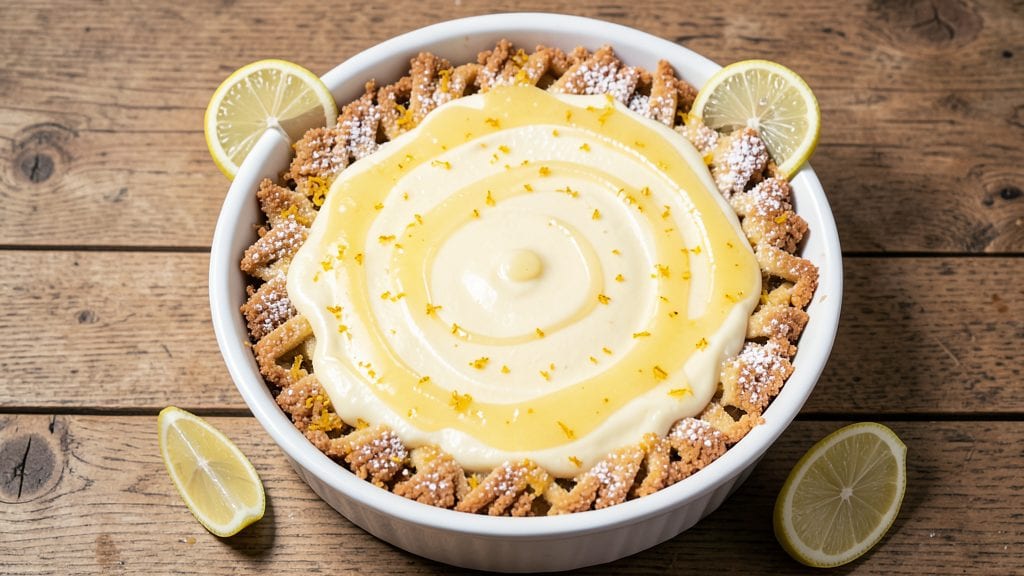
This Philadelphia cheese lemon cheesecake recipe delivers the perfect balance of tangy lemon zest and ultra-smooth cream cheese filling—every slice tastes like a professional bakery. The secret lies in a crisp, buttery crust infused with lemon zest, which pairs beautifully with the velvety, jiggly filling.
I developed this recipe after years of testing, ensuring the texture is consistently creamy without being too dense. The lemon flavor shines through without overpowering the rich cream cheese base.
The crust preparation is where the magic begins—mixing lemon zest into the butter creates an aromatic foundation that sets the tone for the entire dessert. Once baked, the filling comes together with precise ratios of cream cheese, sour cream, and eggs to achieve that signature smoothness.
Baking at the right temperature prevents cracking while ensuring a perfectly set center. Chilling overnight is essential for developing the ideal texture.
What you'll end up with is a cheesecake that's light yet rich, with a bright citrus note that cuts through the creaminess. The crust remains crisp at the edges while staying tender underneath, providing the perfect contrast.
This recipe is foolproof for beginners but impressive enough for any occasion—whether you're serving it at a dinner party or enjoying a slice for dessert.
Optional garnishes like fresh berries or a dollop of whipped cream elevate the presentation, but the cheesecake stands beautifully on its own. The key to success is patience—allowing the filling to set properly ensures every bite is as smooth as the first. Let's get started on creating this showstopper dessert!
Ingredients for philadelphia cheese lemon cheesecake
Precision ingredients for a professional-quality Philadelphia cheese lemon cheesecake with zesty crust and velvety filling.
| Ingredient | Amount | Notes |
|---|---|---|
| Philadelphia Cream Cheese 🧀 | 32 oz | Full-fat, room temperature |
| Sour Cream 🥛 | 1 cup | Full-fat, room temperature |
| Large Eggs 🥚 | 4 whole | Room temperature, separated |
| Granulated Sugar 🍚 | 1 ½ cups | Superfine preferred for smoothness |
| Lemon Zest 🍋 | 2 tbsp | Fresh, finely grated |
| Lemon Juice 🍋 | ½ cup | Freshly squeezed, strained |
| All-Purpose Flour 🌾 | ¼ cup | For crust, sifted |
| Granulated Sugar 🍚 | ½ cup | For crust, packed |
| Unsalted Butter 🧈 | 1 ½ cups | Cold, cubed, European-style preferred |
| Salt 🧂 | ½ tsp | Diamond Crystal kosher salt |
| Vanilla Extract 🌿 | 1 tsp | Pure, high-quality |
| Graham Cracker Crumbs 🍪 | 1 ½ cups | Hulless, finely crushed |
| Melted Butter 🧈 | ¼ cup | For crust binding |
The Philadelphia cream cheese is non-negotiable—full-fat, room temperature ensures optimal blending without lumps. Kroger's or Whole Foods carry the highest-quality blocks; avoid powdered versions. For the lemon zest, use organic lemons (the thicker peel yields more aromatic zest). Meyer lemons add subtle sweetness, but standard Eureka lemons provide classic tartness. The sour cream must also be full-fat and room temperature to achieve the signature smooth texture. Trader Joe's consistently offers the best-priced organic sour cream for this purpose.
No Philadelphia cream cheese? Whipped cream cheese works in a pinch, but texture will differ slightly. Substitute Meyer lemon juice for regular lemon juice if available—its natural sweetness balances the tang. For a lower-fat crust, swap half the butter for coconut oil, though texture will be slightly denser. Graham cracker crumbs should be finely crushed; pulse them in a food processor for even consistency. Diamond Crystal kosher salt is preferred for its pure flavor profile, though any fine sea salt suffices. The vanilla extract should be pure Madagascar bourbon vanilla for optimal aroma.
Store unbaked filling in an airtight container for up to 24 hours in the refrigerator. Baked cheesecake keeps 4-5 days refrigerated, though flavor peaks after 2-3 days. For long-term storage, freeze sliced portions for up to 3 months—thaw overnight in the fridge before serving. Crust components can be prepped 2 days ahead and stored separately. Lemon zest loses potency quickly; refrigerate zest in an airtight container for up to 1 week or freeze for 3 months.
Why You'll Love This Recipe
- No Mixer Needed: I swear by this recipe because it’s actually foolproof—just beat the cream cheese and sugar until smooth, no stand mixer required. My trusty hand mixer does the job just fine, and honestly? The texture comes out lighter than most baked cheesecakes.
- Zesty Tang Perfection: That bright lemon zest cuts through the richness like a summer breeze. The sour cream keeps it creamy without being heavy, while the eggs bind it all together for that signature jiggle. It’s not too sweet, not too tart—just right.
- Weekend or Weeknight: Between us, this is my go-to for brunch or dessert when I’m short on time. The crust (if you use one) bakes while you mix the filling—no waiting around. And if I’m hosting? It’s the crowd-pleaser that disappears faster than the coffee.
- Leftovers? More Like Leftovers: I’ve never had a slice go uneaten the next day. The texture holds up beautifully, and it’s one of those desserts that tastes just as good cold as it does at room temp. Plus, it’s budget-friendly—I use what’s in my pantry and still get a restaurant-quality result.
Step-by-step instructions for Philadelphia cheese lemon cheesecake
Master this recipe's signature techniques for a silky lemon filling and crisp citrus-infused crust every time.
Prepare the Lemon Zest Crust
Preheat your oven to 350°F and fit a springform pan with parchment paper. In a medium bowl, combine the 1.5 cups graham cracker crumbs, 0.5 cup packed granulated sugar, and 0.5 tsp salt. Add the 2 tbsp lemon zest and mix until evenly distributed through the crumbs.
In a separate small bowl, melt the 1.5 cups unsalted butter until completely liquid but not browned. Pour the melted butter over the crumb mixture and stir with a fork until the crumbs are fully coated and the mixture resembles wet sand. Press the crust firmly into the bottom of your prepared springform pan, creating an even layer.
Bake the Crust Until Set
Transfer the crust to the preheated oven and bake for 10-12 minutes, or until the edges begin to turn golden. The crust should feel firm to the touch and hold its shape when gently pressed. Remove from the oven and let it cool completely on a wire rack—this prevents condensation from forming between the crust and filling.
While the crust cools, prepare your mixing bowls. Place the 4 whole large eggs in a separate bowl and let them come to room temperature. This step is crucial for achieving that signature ultra-smooth texture in the filling.
Whisk Filling Ingredients to Perfect Consistency
In a large mixing bowl, combine the 32 oz Philadelphia cream cheese and 1 cup sour cream using a hand mixer on medium speed. Beat until completely smooth, scraping down the sides of the bowl as needed to ensure even incorporation. This step creates the velvety base for your cheesecake.
Gradually add the 1.5 cups granulated sugar while continuing to mix on medium speed. The mixture should become lighter in color and develop a ribbon-like consistency when the beaters are lifted. Add the 0.5 cup lemon juice and 1 tsp vanilla extract, mixing until fully combined. Finally, sift in the 0.25 cup all-purpose flour to prevent any potential curdling during baking.
Combine Filling and Eggs for Ultra-Smooth Texture
With the mixer still running on low speed, slowly add the 4 whole large eggs one at a time, mixing just until each egg is incorporated. This gradual addition prevents the eggs from cooking prematurely. The final mixture should be thick but pourable, with a smooth, velvety appearance.
Carefully pour the filling over the cooled crust, spreading it evenly with a spatula. Tap the pan gently on the counter to release any air bubbles that may have formed. This step ensures a smooth surface and prevents cracks during baking.
Bake to Perfect Doneness
Return the cheesecake to the preheated oven and bake for 50-55 minutes, or until the edges are set and the center still appears slightly jiggly. The cheesecake should pull away from the sides of the pan and have a golden hue around the edges. Insert a toothpick into the center—it should come out with a few moist crumbs but no wet batter.
Remove from the oven and let the cheesecake cool in the pan for 1 hour before refrigerating. This gradual cooling prevents cracking and allows the filling to set properly. Once chilled, run a knife around the edges to loosen, then release the springform pan. Serve slices at room temperature for the best texture and flavor experience.
Pro Tips For Making Philadelphia Cheese Lemon Cheesecake
- SOFTEN CREAM CHEESE FIRST: I learned this the hard way—room-temperature cream cheese blends smoother and avoids lumps. Take the block out of the fridge 30 minutes before mixing, or microwave it for 10 seconds if you’re in a rush (just don’t overdo it).
- WHISK EGGS VIGOROUSLY: Beat those eggs until they’re pale and ribbon-like before folding them into the cheese mixture. Skimp here, and your cheesecake will end up dense or crack-prone—trust me, the extra 30 seconds pays off.
- DON’T OVERMIX THE BATTER: Once the eggs are folded in, stop mixing the second everything is just combined. Overworking the batter incorporates too much air, which leads to a grainy texture or sunken center—gentle is the way.
- USE A WATER BATH: Bake this cheesecake in a water bath (pan + hot water halfway up the springform) to prevent cracking. I know, it’s extra effort, but it guarantees a silky texture and keeps the lemon flavor bright instead of bitter.
Perfect pairings for philadelphia cheese lemon cheesecake
Citrus-Inspired Garnishes
Brighten your cheesecake presentation with lemon curd drizzle—simmer ½ cup lemon juice, ½ cup sugar, and 2 egg yolks until thickened, then strain and drizzle over slices.
For extra flair, add edible gold leaf or lemon twist garnishes made from organic lemons. I love using Meyer lemon slices for their subtle sweetness and vibrant color. 🍋
Berry Complements
Fresh berries create the perfect contrast to the tangy cheesecake. Top slices with raspberries (their tartness balances sweetness) or blueberries (for a pop of color). For a tropical twist, use mango slices or passion fruit pulp.
I recommend Trader Joe's organic berries for consistent quality and flavor. Serve chilled for the best texture.
Creamy Toppings
Whipped cream adds a luxurious finish—fold 1 cup heavy cream with 2 tbsp powdered sugar and ½ tsp vanilla extract until soft peaks form. For a lighter option, try coconut whipped cream (whip 1 can chilled coconut cream with 1 tsp lemon zest).
Drizzle with honey or caramel sauce for extra depth. 🥛
Wine Pairings
A crisp Sauvignon Blanc from New Zealand or California enhances the lemon notes beautifully. Look for wines with citrus and herbal undertones—I love Cloudy Bay or Kim Crawford.
For a dessert wine, try Moscato d'Asti (its sweetness contrasts the cheesecake's tang). Serve chilled to complement the bright flavors. 🍷
Coffee & Tea Pairings
An espresso martini (made with 2 oz vodka, 1 oz coffee liqueur, and 1 oz cold brew) cuts through the richness. For tea lovers, Earl Grey (bergamot notes complement lemon) or jasmine green tea pairs elegantly. I also enjoy chilled chai latte for a spiced contrast. 💫
Seasonal Variations
In summer, add peach slices or blackberries for a fresh, fruity contrast. For fall, swap lemon for orange zest and top with candied pecans. Winter calls for pomegranate seeds and a gingersnap crust—the spice adds warmth. Spring brings strawberries and mint leaves** for a light, refreshing touch. 🌸
Nutrition facts
Frequently asked questions
Why does my lemon cheesecake filling look grainy?
Graininess usually happens when eggs or cream cheese aren't properly incorporated. Always use room temperature ingredients and mix the filling on medium speed until completely smooth. Adding the flour at the end helps prevent curdling, but never overmix once eggs are added. For extra silkiness, strain the batter through a fine-mesh sieve before pouring.
Can I make this cheesecake without a water bath?
Yes, but with precautions! This recipe uses a springform pan and proper baking times to prevent cracking. For best results, bake at 350°F for 50-55 minutes until edges are set but center is slightly jiggly. Avoid opening the oven door during baking to prevent sudden temperature drops that cause cracks. A water bath isn't necessary when following these exact timing guidelines.
How do I prevent the crust from getting soggy?
Bake the crust until golden and firm (10-12 minutes), then let it cool completely before adding filling. For extra insurance, brush the bottom with a thin layer of melted butter after baking. Chill the assembled cheesecake for at least 6 hours (overnight is best) to allow the filling to fully set and absorb any moisture from the crust.
What's the difference between Meyer lemons and regular lemons?
Meyer lemons have a sweeter, less acidic flavor with thinner skins and fewer seeds. They're perfect for this recipe if you prefer a milder citrus taste. Regular lemons (like Eureka) provide a classic tartness that pairs beautifully with the rich cream cheese. For best results, use 2 tbsp zest and ½ cup juice regardless of lemon type, adjusting to taste.
Can I substitute Philadelphia cream cheese with another brand?
While other cream cheese brands will work, Philadelphia's consistent fat content (34%) and texture make it ideal. For substitutes, use full-fat cream cheese at the same weight. Avoid whipped or low-fat versions, as they won't achieve the same smooth, dense texture. If substituting, let the cream cheese sit at room temperature for 1 extra hour to ensure proper blending.