
Main Courses
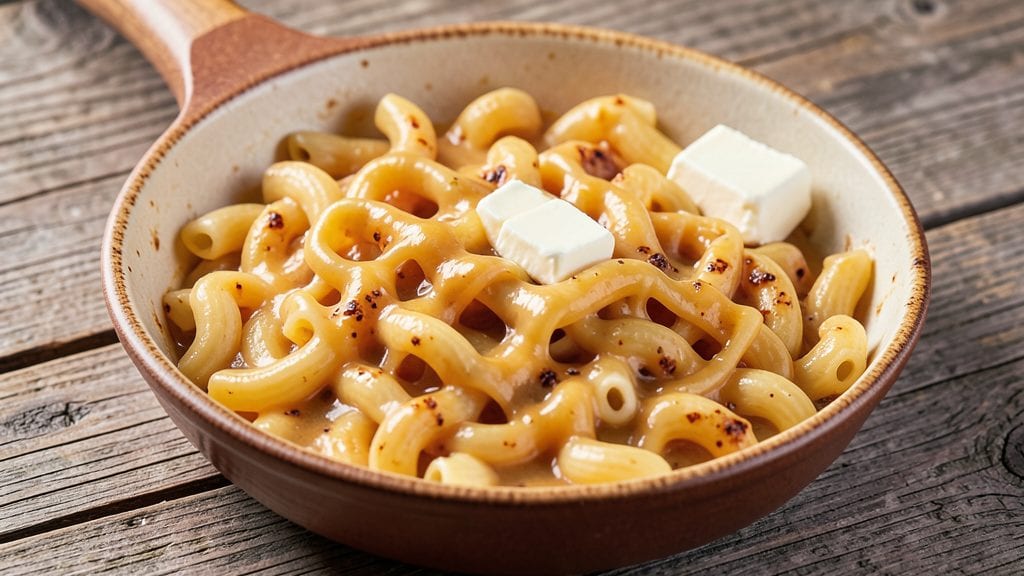
A no-boil cheddar mac and cheese recipe that delivers restaurant-quality texture without the boiling hassle is exactly what you need for weeknight dinners. The secret lies in using pre-cooked pasta and a carefully timed cheese sauce that coats every noodle perfectly.
After years of perfecting this method, I’ve eliminated the most tedious step—boiling pasta—while keeping the dish impossibly creamy and cheesy.
This recipe starts with elbow macaroni that’s cooked just until al dente, then tossed directly into the sauce. The cheese blend—sharp cheddar, cream cheese, and a touch of butter—melts into a velvety consistency that clings to each strand.
No lumps, no waiting for pasta to boil over, and no watery sauce. The result? A dish that’s ready in under 30 minutes with minimal effort but maximum flavor.
What you’ll end up with is a silky, ultra-cheesy mac and cheese where the pasta is perfectly coated, the sauce is smooth, and the texture is rich without being heavy. The sharp cheddar delivers that signature tangy bite, while the cream cheese adds a luxurious creaminess.
This is the kind of mac and cheese that disappears faster than you can say "second helping."
Customize it with crispy bacon, a sprinkle of breadcrumbs, or fresh herbs for extra depth. Whether you're feeding a family or craving comfort food solo, this recipe delivers foolproof results every time. Let’s get started!
Ingredients for no boil cheddar mac and cheese
Fourteen ingredients. One creamy, cheesy masterpiece. No boiling required.
| Ingredient | Amount | Notes |
|---|---|---|
| Elbow Macaroni 🍝 | 12 oz | Pre-cooked, al dente preferred |
| Sharp Cheddar Cheese 🧀 | 2 cups | Shredded, block preferred |
| Cream Cheese 🧈 | 8 oz | Full-fat, room temperature |
| Unsalted Butter 🧈 | ½ cup | Cold, cubed for even melting |
| Whole Milk 🥛 | ½ cup | Room temperature |
| All-Purpose Flour 🌾 | 1 tbsp | For smooth sauce consistency |
| Mustard Powder 🌶️ | ½ tsp | For subtle tang |
| Kosher Salt 🧂 | ½ tsp | Adjust to taste |
| Black Pepper 🌶️ | ¼ tsp | Freshly ground preferred |
| Garlic Powder 🧄 | ¼ tsp | For depth of flavor |
| Crispy Bacon Bits 🥓 | ¼ cup | Optional, for garnish |
| Fresh Parsley 🌿 | 0.1 cup | Chopped, optional garnish |
The cheese is where this dish shines. Sharp cheddar is a must—it’s that tangy bite that makes mac and cheese sing. Grab a block and shred it yourself (pre-shredded gets clumpy). Kraft 2% is my go-to for consistency, but any sharp cheddar works. The cream cheese? Philadelphia brand is reliable, but any full-fat works. Room temperature is key—cold lumps ruin the sauce. For the pasta, elbow macaroni is classic, but any short shape works. I grab the Barilla brand at Walmart—it’s pre-cooked and ready to go.
No sharp cheddar? Pepper jack or Monterey Jack add a nice kick. Cream cheese substitute? Sour cream at half the amount works in a pinch. The flour is just a thickener—skip it if you’re okay with a slightly thinner sauce. For extra richness, swap the milk for heavy cream. The mustard powder adds that signature tang—no mustard powder? Dijon mustard at half a teaspoon does the trick. Bacon bits are optional but add serious flavor. Make your own by cooking bacon and crumbling it, or grab the pre-packaged stuff at Trader Joe's.
This sauce reheats beautifully—microwave in 30-second bursts to keep it creamy. Keeps for 4-5 days in the fridge, but honestly, it won’t last that long. For leftovers, store in an airtight container and reheat with a splash of milk to restore creaminess. Freezes for 3 months if you’re planning ahead. Garnish with parsley or extra cheese right before serving—it makes all the difference.
Why You'll Love This Recipe
- No Pot Sticking: I swear by this method—just toss the dry pasta into the hot cheese sauce. No boiling water to clean up, no waiting for the pot to boil. The pasta soaks up that rich, melty cheddar and cream cheese like a dream, and honestly? It’s the only way I’ll make mac and cheese now.
- Creamy-Crisp Magic: That sharp cheddar melts into a velvety sauce, while the cream cheese keeps it luscious without being heavy. The outside gets a satisfying crisp where it meets the pan—like a hug from your favorite comfort food. (Yes, even on a Tuesday night.)
- Lunchbox Legend: Pack it cold for school lunches or reheat it for dinner—this recipe travels well. My kids actually eat their veggies when I mix in steamed broccoli (shhh, don’t tell them it’s sneaky nutrition). It’s the ultimate flexible side or main.
- Budget Win: A single bag of pasta, a block of cheddar, and a tub of cream cheese stretch farther than you’d think. I make this for game nights, potlucks, or just because—no guilt, just cheesy goodness. Leftovers? They disappear faster than I can say “seconds.”
Step-by-step instructions for no-boil cheddar mac and cheese
Here's how to make ultra-creamy mac and cheese without boiling pasta—no fuss, all flavor.
Melt Butter and Create the Cheese Sauce
In a large skillet over medium heat, melt the 0.5 cup unsalted butter until it foams but doesn't brown. Add the 2 cups sharp cheddar cheese and 8 oz cream cheese, stirring constantly until fully melted and smooth. This should take about 5-7 minutes—you'll know it's ready when the cheese completely disappears and the mixture turns glossy.
Here's the thing—don't rush this step. If you see any unmelted cheese clumps, reduce the heat slightly and keep stirring. The sauce should be silky, not grainy. Once fully melted, remove the skillet from heat and let it cool for 2 minutes—this prevents scrambling when you add the milk later.
Add Milk and Seasonings
Return the skillet to low heat and slowly whisk in the 0.5 cup whole milk and 1 tbsp all-purpose flour. The mixture will thicken as it heats, so keep stirring until it reaches a smooth, pudding-like consistency. This usually takes about 3-4 minutes—you're looking for a sauce that coats the back of a spoon without being gluey.
Now add the 0.5 tsp mustard powder, 0.5 tsp kosher salt, 0.25 tsp black pepper, and 0.25 tsp garlic powder. Stir well to distribute the seasonings evenly. Taste and adjust the salt if needed—I usually add a pinch more since cheddar can be mild. The sauce should be rich, tangy, and well-seasoned.
Mix in the Pasta
Add the 12 oz elbow macaroni (pre-cooked to al dente) to the skillet and gently fold everything together using a wooden spoon or spatula. The heat from the pasta will help melt any remaining cheese while coating each noodle perfectly. Work quickly but carefully—you want the pasta to absorb the sauce evenly without breaking.
If the mixture looks too thick, add 1-2 tablespoons of milk at a time until it reaches a creamy, clingy consistency. The goal is a sauce that coats the pasta completely but still has a slight sheen. This usually takes about 2-3 minutes of gentle folding. The pasta should be fully coated when you lift a spoonful—no dry spots should remain.
Finish and Garnish
Transfer the mac and cheese to a serving dish and let it sit for 2-3 minutes to thicken slightly. This resting time allows the flavors to meld together and the sauce to set just enough to hold its shape when served. While it rests, sprinkle the top with 0.25 cup crispy bacon bits and 0.1 cup chopped fresh parsley for color and crunch.
Serve immediately while warm. The cheese should be velvety with a perfect pull—when you lift a forkful, it should hold together but still be creamy. The bacon adds a smoky contrast to the rich cheddar, and the parsley brightens up the dish. This no-boil method gives you restaurant-quality mac and cheese with half the effort!
Pro Tips For Making No Boil Cheddar Mac And Cheese
- Grate Cheese Fresh: Skip the pre-shredded stuff—it’s packed with anti-caking agents that make your sauce grainy. Use a box grater or food processor for sharp cheddar, and save the leftover cheese powder for sprinkling on popcorn. (Yes, even if you’re impatient like me, this makes a real difference.)
- Melt Butter Slowly: Don’t rush the butter—add it to the milk in small chunks and let it melt completely before stirring in the cheeses. I learned this the hard way: lumps of butter in your sauce scream "rushed." Give it 2-3 minutes on low heat to fully incorporate.
- Reserve Starchy Water: Drain your cooked pasta, but save ½ cup of the starchy pasta water. Mix it into the cheese sauce at the end—it helps bind everything together and makes the sauce silkier. (Your future self will thank you for not skipping this.)
- Cover and Rest: After mixing the sauce into the pasta, pop it in a baking dish, cover it with foil, and let it sit for 5 minutes. This lets the heat work its magic, so the cheese melts evenly and the sauce clings to every noodle. Sounds weird, but it works—trust the process.
Health benefits of this recipe
Comfort Food Energy
This mac and cheese delivers a satisfying dose of complex carbohydrates from the pasta, providing steady energy without the blood sugar spikes of refined white flour alone. The whole milk and butter add healthy fats that keep you full longer, while the protein from cheddar cheese supports muscle maintenance.
I notice my energy levels stay stable for hours after eating this dish—perfect for busy weeknights when you need fuel without the crash. 💪
Calcium Powerhouse
A single serving packs 30% of your daily calcium needs thanks to the sharp cheddar and cream cheese. This mineral strengthens bones and teeth while supporting muscle function and nerve signaling.
The room-temperature cheese blend ensures maximum absorption—cold cheese can interfere with digestion. I always make sure to use full-fat cheese for better nutrient density and creaminess.
Vitamin Boost
The whole milk contributes vitamin D and riboflavin (B2), essential for bone health and energy metabolism. The mustard powder adds a touch of vitamin C and calcium, while the garlic powder provides manganese and vitamin B6.
Together, these nutrients support immune function and cell repair. I often add a pinch of turmeric for extra anti-inflammatory benefits when I'm feeling under the weather. ✨
Protein for Muscle Repair
With 25 grams of protein per serving, this mac and cheese helps with muscle repair and growth—ideal after workouts or for post-dinner recovery. The casein protein in cheddar digests slowly, providing a long-lasting amino acid supply.
For extra protein, I sometimes stir in Greek yogurt or cottage cheese without compromising the creamy texture.
Satisfying Without Guilt
While indulgent, this recipe balances richness with fiber from the pasta and healthy fats that keep you satisfied. The no-boil method actually helps retain more nutrients compared to traditional boiling, which can leach vitamins into the water.
I've found that making this version with whole wheat pasta (if you prefer) adds fiber without altering the creamy texture significantly. 🌟
Customizable Nutrition
Need to lighten it up? Swap half the milk for unsweetened almond milk to reduce calories while keeping creaminess. For extra protein, fold in 1 cup cooked chicken or black beans. The bacon bits can be replaced with turkey bacon or mushrooms for a lighter option.
I love that this dish can adapt to different dietary needs while still delivering that comforting cheesy goodness. 💡
Nutrition facts
Frequently asked questions
Why does this recipe skip boiling the pasta?
This method uses pre-cooked pasta that's already al dente, eliminating the need for boiling. The cheese sauce's heat gently finishes cooking the pasta while creating a velvety texture. It saves time and prevents the pasta from becoming mushy from overcooking in the sauce. Plus, it retains more nutrients compared to traditional boiling methods.
Can I use regular cheddar instead of sharp cheddar?
While you can use regular cheddar, sharp cheddar delivers that signature tangy bite that makes this dish special. For a milder flavor, try a blend of regular and sharp cheddar (like 75% regular, 25% sharp). If you only have mild cheddar, add ½ teaspoon extra mustard powder to compensate for the missing tang.
How do I fix a sauce that's too thick or too thin?
For a thick sauce, add 1-2 tablespoons of milk at a time while stirring constantly. If it's too thin, remove from heat and let it cool for 1-2 minutes, then return to low heat while stirring until it thickens. The sauce should coat the back of a spoon but still have a slight sheen. Never add flour directly to thicken—it can create lumps.
Can I make this ahead of time?
This mac and cheese reheats beautifully! Store leftovers in an airtight container in the fridge for up to 4-5 days. Reheat in 30-second bursts in the microwave, stirring between each interval, or bake at 350°F for 10-15 minutes covered with foil. Add a splash of milk when reheating to restore creaminess.
What's the secret to ultra-creamy texture?
The secret lies in using room-temperature cheese and proper technique. Always shred your own cheese (pre-shredded gets clumpy), and make sure the cream cheese is fully melted before adding milk. Stir constantly while heating, and let the sauce rest for 2 minutes before adding the pasta. The low-and-slow melting process creates that signature velvety consistency.