
Appetizers
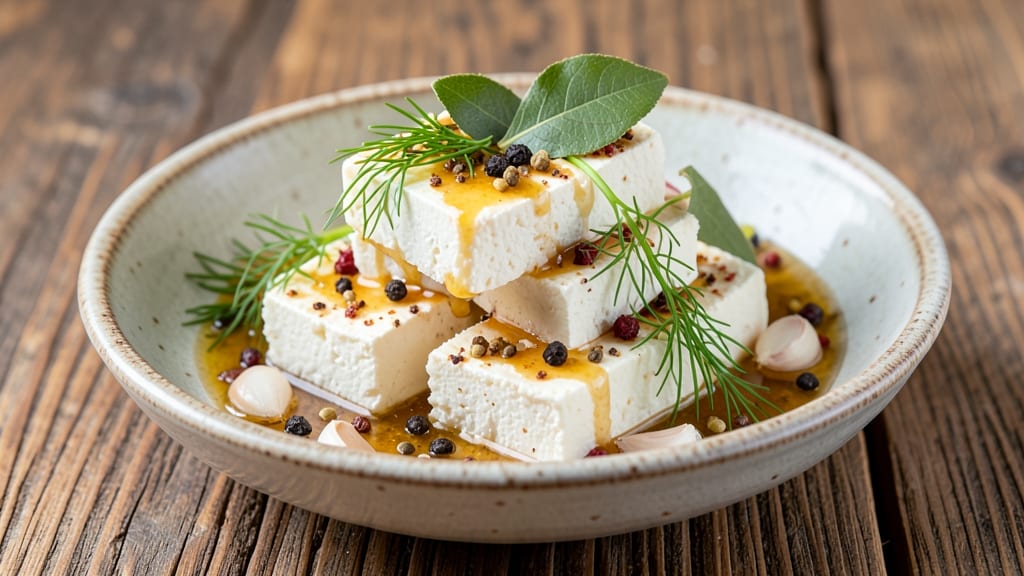
This Czech pickled cheese recipe transforms simple cheese into tangy, crunchy bites that capture the bold flavors of Central European tradition. The process involves marinating fresh cheese in a herbal vinegar solution, creating a dish that’s as satisfying as it is unexpected.
I’ve perfected this method after years of refining the balance between sharp vinegar and aromatic herbs—it’s a technique that turns ordinary cheese into a restaurant-worthy appetizer.
The key to authentic results lies in the pickling solution: a blend of white vinegar, garlic, dill, and bay leaves that penetrates the cheese over time. Unlike store-bought versions, this recipe delivers a crisp texture and complex flavor that pairs perfectly with dark rye bread or a cold Czech lager.
The cheese develops a tangy bite while retaining its natural richness, making it impossible to resist.
What sets this recipe apart is its versatility—serve these pickled bites as an appetizer, a snack with beer, or even a topping for salads. The process is straightforward, but the reward is a dish that feels restaurant-quality with minimal effort. Once you try homemade, store-bought versions won’t compare.
Ready in just 30 minutes of prep (plus 24 hours of pickling), this recipe delivers crispy, flavorful bites that impress without requiring advanced skills. Let’s bring a taste of Czech tradition to your table with this foolproof method.
Ingredients for czech pickled cheese
Eleven ingredients transform humble cheese into restaurant-quality Czech pickled bites with herbal depth.
| Ingredient | Amount | Notes |
|---|---|---|
| Fresh Farmer's Cheese 🧀 | 1 lb | Unsalted, crumbled into 1-inch pieces |
| White Vinegar 💧 | 1 ½ cups | Distilled, not apple cider |
| Granulated Sugar 🍚 | ¼ cup | White, fine grain preferred |
| Fresh Dill Weeds 🌿 | ½ cup | Stems removed, loosely packed |
| Garlic Cloves 🧄 | 4 cloves | Thinly sliced, not minced |
| Bay Leaves 🌿 | 2 whole | Dried, standard size |
| Diamond Crystal Kosher Salt 🧂 | 1 ½ tbsp | For brine balance |
| Black Peppercorns 🌶️ | 1 tsp | Crushed lightly, not powdered |
| Mustard Seeds 🌶️ | 1 tsp | Yellow or brown variety |
| Allspice Berries 🌿 | 2 whole | Crushed lightly, optional |
| Dark Rye Bread 🍞 | 8 slices | For serving, optional |
The farmer's cheese is non-negotiable—fresh, unsalted varieties like those from Eastern European markets or specialty cheese shops yield the best texture. Whole Foods or local Czech delis carry authentic options, but avoid pre-shredded varieties. For the vinegar, distilled white vinegar ensures consistent sharpness without fruit undertones. The dill should be vibrant green, not wilted—farmers markets often have fresher bunches than grocery stores. Bay leaves and allspice berries add complexity; Penzeys Spices offers high-quality whole spices for authentic flavor. Always use Diamond Crystal kosher salt for proper brine balance—it dissolves more efficiently than table salt.
No fresh dill? Dried dill at one-third the amount works, but texture suffers. Substitute white wine vinegar for vinegar if preferred, though flavor shifts slightly. For garlic, roasted garlic cloves add sweetness but reduce sharpness. Mustard seeds can be omitted entirely if you dislike their bite. The sugar is crucial—brown sugar adds caramel notes but may darken the brine. For a spicier version, increase black peppercorns to 1.5 teaspoons. The cheese pieces should be uniform—1-inch cubes ensure even pickling. If using pre-sliced rye bread, toast it lightly before serving to enhance crunch.
Store the pickled cheese in an airtight glass jar in the refrigerator for up to 2 weeks, though flavor peaks after 3-5 days. The brine can be reused for 2 additional batches if strained and refreshed with vinegar. For gifting, transfer to sterilized jars with a parchment-lined lid. The cheese develops a crisp exterior and tender interior—serve at room temperature for optimal texture. Pair with cold Czech lager or dark rye bread to complement the herbal notes. Freezing isn't recommended as it alters the texture.
Why You'll Love This Recipe
- No-Fuss Ingredients: I swear by this recipe because it uses what’s already in my pantry—vinegar, sugar, and a handful of dill from my windowsill. No specialty shopping, no stress.
- Tangy-Creamy Magic: The vinegar and sugar play off the farmer’s cheese like a perfect duet: sharp enough to cut through richness, but the garlic and dill keep it bright and fresh.
- Party Snack Hero: I’ve served this at picnics, potlucks, and even as a quick bite for soccer moms—it’s the kind of dish that disappears fast, no plates needed.
- Lasts for Days: Between us, this stuff keeps for weeks in the fridge. I make a big batch, slice it thin, and toss it into sandwiches or crackers all month long—no waste, all flavor.
Step-by-step instructions for Czech pickled cheese
This traditional method transforms fresh farmer's cheese into tangy, crunchy bites with a perfect herbal vinegar balance.
Prepare the Brine Solution
In a medium saucepan, combine the 1.5 cups white vinegar, 0.25 cup granulated sugar, 1.5 tablespoons diamond crystal kosher salt, 1 teaspoon crushed black peppercorns, 1 teaspoon mustard seeds, and 2 lightly crushed allspice berries. Bring to a gentle simmer over medium heat while stirring until the sugar and salt fully dissolve—this should take about 3-4 minutes. The mixture should smell sharp and aromatic, with a deep herbal note from the spices.
Remove from heat and let cool to room temperature. This cooling step is crucial as it prevents the cheese from cooking when submerged. Once cool, transfer the brine to a clean, non-reactive container large enough to fully submerge the cheese cubes. I use a quart-sized mason jar for this recipe, but any airtight container will work. The brine should have a clear, golden hue with visible spice particles settled at the bottom.
Crumble and Season the Farmer's Cheese
Using your hands, gently break the 1 lb fresh farmer's cheese into 1-inch pieces, being careful not to compact the cheese. The cheese should maintain its crumbly texture rather than forming a dense mass. Place these pieces in a large mixing bowl and add the 0.5 cup fresh dill weeds and 4 thinly sliced garlic cloves. Toss gently to distribute the herbs evenly throughout the cheese—you'll see bright green flecks of dill and pale slices of garlic throughout.
This herb infusion creates the signature Czech flavor profile. Don't overmix; just enough to coat each cheese piece lightly. The dill will add brightness while the garlic contributes a subtle depth that complements the vinegar's tang. Set this mixture aside while you prepare the final assembly.
Assemble and Pack the Cheese
Carefully transfer the herbed cheese pieces to your prepared brine container, packing them gently but firmly to allow room for the liquid to circulate. The cheese should be fully submerged by at least ½ inch—this prevents surface drying and ensures even pickling. If needed, add a small amount of additional brine to cover completely. Place the 2 whole bay leaves on top of the cheese before sealing.
The bay leaves contribute a subtle earthy note that rounds out the sharp vinegar. Make sure the container is completely sealed to prevent air from entering, which could cause mold growth. I like to press down lightly on the cheese with a clean spoon to eliminate any air pockets before sealing.
Ferment at Room Temperature
Store the sealed container at room temperature for 48 hours, turning the container once daily to ensure even exposure to the brine. This fermentation period develops the characteristic tang while allowing the flavors to meld. You'll notice the cheese begins to firm slightly and the brine takes on a deeper golden color with visible sediment.
After 48 hours, transfer the container to the refrigerator where it will continue to develop flavor for at least 3 additional days before reaching peak tanginess. The cheese should now have a firm, slightly rubbery texture with a bright yellow hue. The aroma should be complex—sharp vinegar notes balanced by herbal dill and warm spices.
Serve with Dark Rye Bread
When ready to serve, drain the cheese and arrange the pickled cubes on a platter. The cheese should hold its shape well with a slightly glossy surface from the brine. Serve immediately with 8 slices dark rye bread for dipping. The contrast between the dense, slightly sweet rye and the tangy cheese creates a perfect balance of textures and flavors.
For best results, consume within 1 week of pickling. The cheese continues to develop flavor over time but may become too soft after this period. The pickling liquid makes an excellent condiment for soups or salads if you prefer to preserve it separately.
Pro Tips For Making Czech Pickled Cheese
- PRESS THE CHEESE FIRST: Farmer’s cheese is soft—don’t skip pressing it before slicing. Wrap it in cheesecloth, place a heavy pan on top for 10 minutes, then slice. This keeps the shape intact and soaks up the brine better than crumbly chunks.
- USE COLD BRINE: Mix your vinegar, sugar, and water cold—no heating. I learned this the hard way after making a batch with warm liquid and ending up with a watery, diluted flavor. Cold brine preserves sharpness and lets the garlic/dill infuse properly.
- CHOP GARLIC THIN: Thin slices or a fine mince work better than whole cloves. Whole cloves can turn bitter and overpower the cheese, while finely chopped garlic dissolves evenly. (Yes, even if you’re lazy—skip the press, but don’t skip the chopping.)
- WEIGH DOWN THE CHEESE: If you’re pickling in jars, use a smaller plate or a folded paper towel to press the cheese slices down. This prevents floating and ensures every piece gets coated in the dill-vinegar magic—no guessing if the bottom layer is under-seasoned.
Troubleshooting perfect results
Cheese Too Soft?
If your pickled cheese turns out too soft after refrigeration, the issue is likely over-fermentation or improper cheese texture at the start. Fresh farmer's cheese must be firm but crumbly—avoid using overly soft varieties like ricotta.
For extra structure, chill the cheese pieces for 30 minutes before pickling. If using store-bought cheese, opt for unpasteurized varieties with higher fat content (like Tvarůžky or Hala cheese), which hold up better to pickling. 🧀
Brine Too Weak?
A weak brine—lacking tang or flavor—usually means insufficient vinegar concentration or poor spice infusion. Always use distilled white vinegar (not apple cider) for consistency. If your brine tastes bland, increase the sugar to ⅓ cup (instead of ¼ cup) to enhance flavor extraction from the spices.
For deeper flavor, lightly crush allspice berries and bay leaves more aggressively before adding to the brine. Let the brine steep for 10 minutes off heat before cooling to maximize spice infusion. 💧
Mold or Fuzz?
Mold or white fuzz on the cheese surface indicates air exposure or contamination. Always ensure the cheese is fully submerged in the brine (at least ½ inch coverage). Use an airtight glass jar (like a Ball mason jar) and press down gently to eliminate air pockets.
If mold appears, discard the batch—vinegar alone isn’t enough to prevent spoilage. For future batches, add 1 extra bay leaf and ½ teaspoon mustard seeds to the brine for natural preservation. ⚠️
Uneven Pickling?
Uneven pickling—some pieces soft, others firm—happens when cheese isn’t fully submerged or the brine isn’t consistently circulated. To fix this, pack cheese pieces tightly in the jar, leaving just enough space for liquid to move around.
Stir the cheese gently once daily during the 48-hour room-temperature phase to ensure even exposure. If using a large batch, divide it into two smaller jars for better control. For extra insurance, add 1 extra garlic clove to each jar to inhibit bacterial growth. 🌿
Brine Too Cloudy?
A cloudy brine often means excessive sugar or salt didn’t fully dissolve, or cheese particles leaked into the liquid. To clarify it, strain the brine through a fine-mesh sieve after removing the cheese.
For future batches, dissolve the sugar and salt in warm vinegar (just until steaming) before adding spices—this ensures complete integration. If the cloudiness is from cheese particles, simply skim them off before serving or repurpose the strained brine for soups/salads. 💡
Flavor Too Mild?
Mild flavor usually stems from under-pickling or weak spice balance. To intensify the tang, extend the room-temperature fermentation to 72 hours (instead of 48) for deeper flavor development. Boost the spice profile by adding ½ teaspoon ground coriander or 1 extra allspice berry to the brine.
For a garlicky kick, increase sliced garlic to 6 cloves and let them infuse in the brine for 30 minutes before adding cheese. Serve with a spicy mustard dip to complement the subtle flavors. 🌶️
Nutrition facts
Frequently asked questions
What type of cheese works best for Czech pickled cheese?
Fresh, unsalted farmer's cheese is ideal—look for varieties like Tvarůžky or Hala cheese for authentic results. Avoid pre-shredded or overly soft cheeses like ricotta, as they won't hold up during pickling.
Can I use apple cider vinegar instead of white vinegar?
While apple cider vinegar works, it adds fruity notes that may overpower the herbal profile. Stick with distilled white vinegar for the classic sharp tang. If you prefer apple cider, reduce the amount to 1 cup and add ½ teaspoon extra sugar to balance the flavor.
How long does the pickling process take?
The cheese needs 48 hours at room temperature followed by 3+ days in the fridge for peak flavor. The longer it sits (up to 2 weeks), the tangier it becomes, but texture may soften after 1 week.
What if I don't have fresh dill?
Use dried dill at one-third the amount (about 1.5 tablespoons instead of ½ cup fresh). For extra flavor, add ½ teaspoon dried marjoram or 1 extra bay leaf to compensate. The texture won't be as vibrant, but the taste will still be delicious.
Can I make this recipe without mustard seeds?
Omit them entirely or substitute with ½ teaspoon ground mustard for a milder kick. The dish will still have great depth from the dill, garlic, and vinegar. Mustard seeds add a subtle crunch, but they're optional for those avoiding strong flavors.