
Desserts
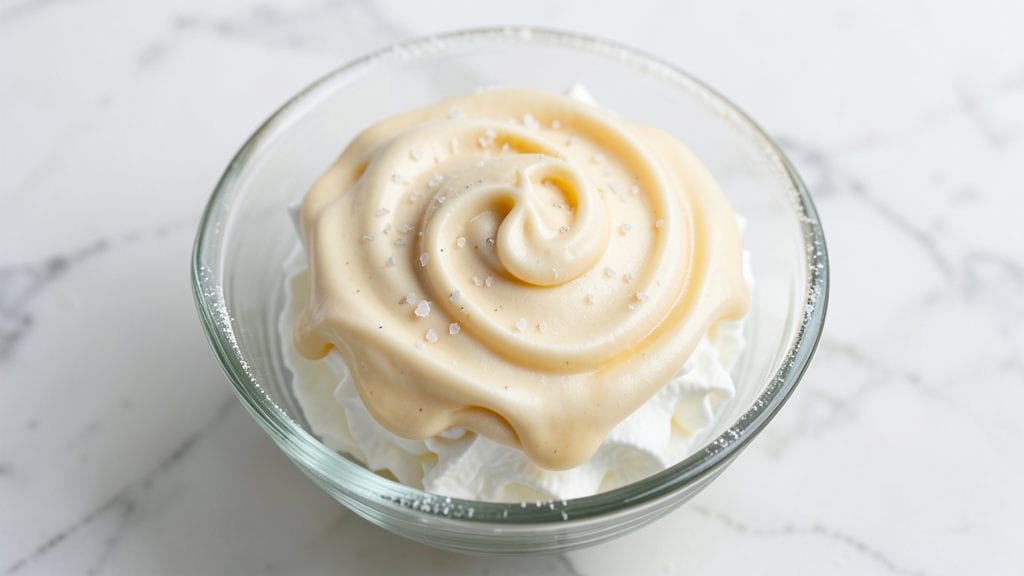
This Betty Crocker-inspired cream cheese icing delivers the perfect balance of tangy cream cheese, velvety butter, and sweet vanilla—ideal for frosting cakes, cupcakes, or cookies. The secret lies in precise measurements and a swirl technique that creates marbled beauty without overmixing.
I developed this recipe after years of testing, ensuring it’s smooth, stable, and ready to pipe or spread effortlessly.
The foundation starts with 8 ounces of cream cheese, softened just enough to blend seamlessly with 1 cup of butter and 4 cups of powdered sugar.
A splash of vanilla extract (or a scraped vanilla bean for depth) elevates the flavor, while a pinch of salt balances the sweetness. The butter adds richness, preventing that dry, crumbly texture many homemade icings suffer from.
What sets this apart is the buttery crunch—optional toasted nuts or crushed cookies folded in at the end add texture contrast. The icing holds its shape when piped but remains silky enough to spread, making it versatile for decorating or filling.
It’s foolproof for beginners yet refined enough for professional results.
Perfect for vanilla cakes, chocolate desserts, or as a standalone glaze for donuts. Once you try this, store-bought icing won’t compare. Let’s get started!
Ingredients for betty crocker cream cheese icing
Eight essential ingredients transform into silky, pipeable perfection—no lumps, no stress.
| Ingredient | Amount | Notes |
|---|---|---|
| Full-Fat Cream Cheese 🧀 | 8 oz | Room temperature, not softened |
| Unsalted Butter 🧈 | 1 cup | Cold, cut into small cubes |
| Confectioners' Sugar 🍚 | 4 cups | Sifted, no lumps |
| Pure Vanilla Extract 🍋 | 1 ½ tbsp | Or 1 scraped vanilla bean |
| Fine Sea Salt 🧂 | ¼ tsp | Diamond Crystal preferred |
| Heavy Whipping Cream 🥛 | ¼ cup | Cold, for swirls only |
| Toasted Pecans 🌰 | ½ cup | Chopped, optional crunch |
| Vanilla Bean Paste 🍋 | 1 tsp | For swirl depth (optional) |
The cream cheese must be room temperature, not softened—overworking it introduces air bubbles that disrupt texture. Philadelphia brand is ideal for its consistent fat content, but any full-fat block works. The butter should be cold and cubed to prevent melting during blending. Confectioners' sugar? Sift it twice—lumps ruin the smooth finish. For vanilla depth, Madagascar bourbon vanilla extract or a scraped vanilla bean adds complexity. Salt is non-negotiable; Diamond Crystal dissolves cleanly without graininess. Heavy whipping cream is optional but creates stunning marbled swirls when whipped separately.
No vanilla extract? Almond extract at half the amount mimics depth, though vanilla is irreplaceable. Short on butter? Coconut oil at 3/4 cup works for texture but lacks richness. For nut-free versions, crushed graham crackers or pretzels add crunch. The icing remains stable without cream, but swirls require it. Walmart's Great Value brand cream cheese is budget-friendly and performs well. If using vanilla bean paste, strain seeds through a fine sieve to avoid grit. For extra stability, add 1 tsp cornstarch to the confectioners' sugar.
Store unused icing in an airtight container between layers of parchment paper for up to 5 days in the fridge. For longer storage, freeze in 1-cup portions—thaw at room temperature before use. The butter cubes melt during blending, but the icing re-solidifies within 30 minutes in the fridge. To prevent weeping, chill the bowl and beaters before starting. This icing doubles as a filling for cream puffs or a glaze for donuts—just thin with 1 tbsp milk if needed.
Why You'll Love This Recipe
- Three-Ingredient Magic: This icing comes together with just five things—no fancy gadgets, no stress. I’ve made it while microwaving leftovers and still had time to spare.
- Rich Without Effort: That full-fat cream cheese and butter combo makes it velvety smooth, not grainy. The vanilla and salt? Chef’s kiss—simple, but it’s the little things that make it taste like you slaved over it.
- Cake or Cookie Hero: Drizzle it over carrot cake for a tangy-sweet hug, or slather it on sugar cookies for that nostalgic Betty Crocker vibe. Honestly, I’ve even used it as a frosting for cinnamon rolls—yes, really.
- No Waste, All Win: Make a big batch—it keeps for days in the fridge. Use it for decorating, dipping, or even as a quick filling for cream cheese bars. Between us, I’ve repurposed leftovers into a glaze for roasted nuts.
Step-by-step instructions for Betty Crocker cream cheese icing recipe
This recipe delivers a velvety, flavorful icing with signature vanilla bean swirls and buttery crunch.
Prepare the Base Ingredients
In a medium mixing bowl, combine the 8 oz full-fat cream cheese and 1 cup unsalted butter (cold cubes). Use a hand mixer on medium speed until smooth and fully incorporated. The mixture should be creamy but not greasy, with no visible butter chunks remaining. This ensures a stable base for the icing.
Next, add the 4 cups sifted confectioners' sugar, 1.5 tbsp pure vanilla extract, and 0.25 tsp fine sea salt. Beat on high speed for 3-4 minutes until the icing is light, fluffy, and fully aerated. You'll notice it thickens slightly as it incorporates air—this is essential for that signature Betty Crocker texture. Scrape down the sides of the bowl with a spatula to ensure even mixing.
Create the Vanilla Bean Swirl Layer
In a separate small bowl, whip the 0.25 cup cold heavy whipping cream to soft peaks. This will form the swirl layer for depth of flavor. Fold in the 1 tsp vanilla bean paste until fully combined. The paste adds an intense vanilla aroma and subtle speckled appearance that elevates the icing beyond basic vanilla.
Using a rubber spatula, gently fold 25% of the vanilla bean cream mixture into the main icing base. This partial incorporation creates delicate swirls while maintaining the creamy consistency. Reserve the remaining vanilla cream for final garnish if desired—this step ensures the swirls remain distinct and visually appealing.
Incorporate the Pecan Crunch
Chop the 0.5 cup toasted pecans into small, even pieces (about ¼-inch size) for optimal texture contrast. Fold half of the pecans into the icing mixture using a spatula, mixing just until evenly distributed. The pecans should remain distinct pieces rather than fully incorporated to maintain their crunchy texture.
For the remaining 0.25 cup pecans, set aside for garnish after baking. This two-stage approach ensures both texture layers—creamy base and buttery crunch—are perfectly balanced in every bite. The toasted pecans should be cool to the touch before adding to prevent melting the butter in the icing.
Final Adjustments and Application
Taste the icing and adjust sweetness by adding 1-2 tablespoons of confectioners' sugar at a time if needed. The icing should be thick enough to hold its shape when spread but still pipeable for decorative work. If too thick, add 1 teaspoon of milk (not included in ingredients) to loosen.
Spread the icing immediately over cooled baked goods using an offset spatula. For swirls, pipe the reserved vanilla cream mixture in zigzag patterns before spreading the main icing over it. Sprinkle the remaining pecans evenly over the top. The icing will set as it cools, achieving a glossy finish perfect for cakes, cupcakes, or cookies.
Rest and Serve
Allow the icing to set for 15-20 minutes at room temperature before slicing. This resting period ensures clean cuts and prevents smearing. The final icing should have a smooth, velvety texture with visible vanilla swirls and pecan crunch in every bite.
For best results, serve immediately after setting. The icing's flavor intensifies slightly as it sits, making it ideal for freshly baked treats. Store leftovers in an airtight container in the refrigerator for up to 3 days, though the texture may firm up slightly when cold.
Pro Tips For Making Betty Crocker Cream Cheese Icing
- SOFTEN CREAM CHEESE FIRST: Take the cream cheese out of the fridge 30 minutes before mixing—room temp makes it blend smoother and prevents lumps. I’ve tried forcing cold blocks through mixers, and it’s a mess. Trust me on this one.
- WEIGH THE SUGAR: Use a kitchen scale for confectioners’ sugar—1 cup packed can vary wildly by brand. I learned this after making two batches with different textures. A little extra weight = thicker, more stable icing.
- SALT THE BUTTER: Add the fine sea salt to the butter before mixing it with cream cheese—it dissolves better and balances sweetness evenly. Skipping this step means you’ll end up guessing how much to add later.
- BATCH TEST THE VANILLA: Start with half the vanilla extract and adjust—some brands are stronger than others. I once overdid it and ruined a cake’s flavor. A little goes a long way, especially with full-fat cream cheese.
Troubleshooting this dish
Grainy Texture Fix
If your icing turns grainy, it’s almost always from unsifted confectioners' sugar or uneven mixing. First, ensure you’re using Domino brand powdered sugar (it’s the finest on the market). Sift it twice through a fine-mesh sieve before measuring.
If graininess appears mid-beating, stop mixing and force the icing through a fine-mesh strainer using a spatula. For stubborn lumps, add 1-2 teaspoons of milk and rebeat until smooth. 💫
Too Thin or Runny
A runny icing usually means overmixing or insufficient butter. If the mixture separates during blending, reduce speed to low and gently fold with a spatula. For immediate thickening, chill the bowl in the freezer for 5 minutes before rebeating.
If still too thin, add 1-2 tablespoons of powdered sugar at a time until it reaches a pipeable consistency (it should hold its shape when dropped from a spoon).
Butter Separation
Butter separating is the #1 culprit for failed cream cheese icings. Always use cold, cubed butter (never melted) and blend on medium speed until fully incorporated before adding sugar. If separation occurs, place the bowl over ice water for 2-3 minutes to re-solidify the butter, then rebeat gently.
For a quick fix, whisk in 1 tablespoon of cold heavy cream to re-emulsify. 🧈
Weeping or Sweating
Weeping happens when the icing absorbs moisture from the cake or sits too long at room temperature. To prevent this, chill the icing for 10 minutes before applying it to cooled (not warm) baked goods.
For immediate fixes, brush the cake with 1 teaspoon of simple syrup (equal parts sugar and water, heated) to create a moisture barrier. Store leftovers in the fridge between parchment paper layers to maintain stability.
Lumpy Cream Cheese
Lumpy cream cheese is usually from not softening enough or adding sugar too quickly. First, ensure your cream cheese is at room temperature (press your finger into it—it should leave a slight indent but not be greasy).
If lumps persist, blend in 1 tablespoon of milk at a time until smooth. For a pro trick, place the cream cheese bowl in the microwave for 10 seconds (just to warm slightly), then blend immediately. Never microwave for more than 10 seconds—it’ll melt the butter prematurely. 🧀
Swirls Not Holding
If your vanilla bean swirls disappear during spreading, the issue is overfolding or warm temperatures. Keep all ingredients chilled (including your tools) and fold the cream mixture gently with a spatula in a zigzag motion.
For extra stability, pipe the swirls first, then spread the main icing over them immediately. If the icing is too warm, place the bowl in the freezer for 3-5 minutes before piping to set the swirls in place.
Nutrition facts
Frequently asked questions
Can I make this icing without butter?
While butter adds richness and stability, you can substitute with ¾ cup coconut oil (for texture) or ½ cup vegetable shortening (for longer shelf life). The icing will be slightly less flavorful but still hold its shape. For a healthier option, use Greek yogurt (½ cup) mixed with ½ cup butter—it adds tang and lightens the texture.
How do I adjust this for a gluten-free cake?
This icing is naturally gluten-free, but if your cake contains gluten, ensure all tools (spatulas, bowls) are clean to avoid cross-contamination. For extra stability on gluten-free bases, chill the icing for 15 minutes before spreading. The vanilla swirls and pecan crunch remain intact—just avoid overmixing to prevent graininess.
Why did my icing turn grainy?
Graininess almost always comes from unsifted powdered sugar or overmixing. Sift the sugar twice through a fine-mesh sieve before measuring. If lumps appear mid-beating, stop mixing and press the icing through a strainer with a spatula. For stubborn grains, add 1-2 teaspoons of milk and rebeat gently.
Can I use this icing for donuts or pastries?
For donuts, thin the icing with 1-2 teaspoons of milk until it reaches a drizzling consistency. Pipe or brush it over cooled donuts while still slightly warm for a glossy finish. The butter content keeps it stable for frying or baking applications—just avoid high heat after application to prevent melting.
How long can I store leftover icing?
Store unused icing in an airtight container between layers of parchment paper for up to 5 days in the fridge. For longer storage, freeze in 1-cup portions for up to 3 months. Thaw at room temperature before use, and rebeat briefly to restore smoothness. The texture may firm up slightly when cold—soften with 5 seconds in the microwave if needed.