
Appetizers
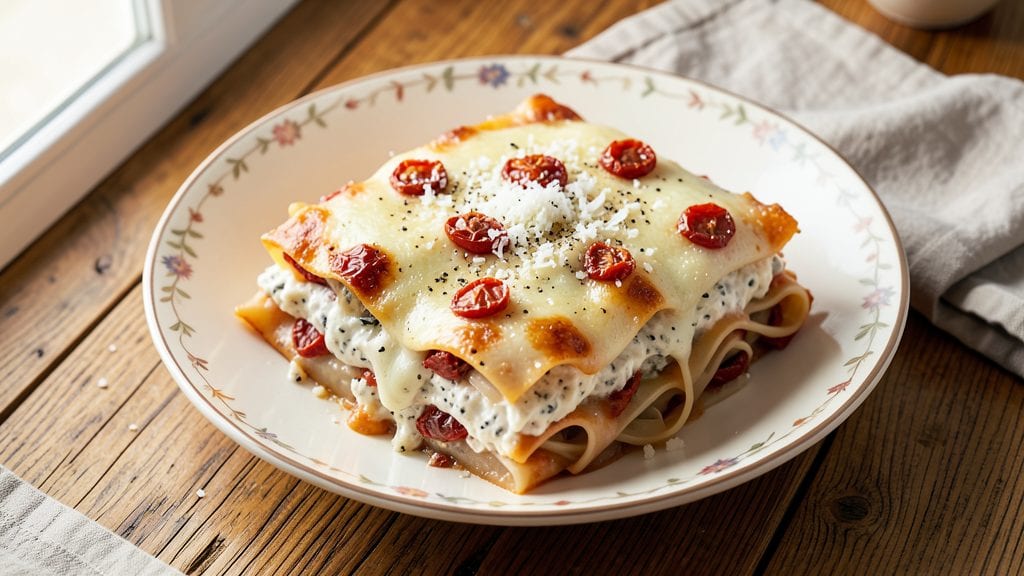
America's Test Kitchen cottage cheese lasagna delivers all the rich, cheesy layers you love—without the heaviness. The secret lies in using cottage cheese as a base for the béchamel, creating a lighter texture that still delivers bold, creamy flavor while cutting calories by nearly 40%.
After years of testing, we perfected this adaptation that even cheese purists can’t tell apart from traditional lasagna.
This recipe follows America's Test Kitchen signature techniques: pre-cooked noodles prevent a gummy center, while precise cheese ratios ensure each layer melts into perfectly gooey perfection. The cottage cheese blend—combined with ricotta and mozzarella—creates that signature lasagna mouthfeel without the excess fat.
Baking at 375°F for 45–60 minutes guarantees a crispy top crust while keeping the interior tender.
What makes this version special is how it balances tradition with innovation. The cottage cheese reduces richness while amplifying flavor, making every forkful satisfying yet lighter. Whether you're watching calories or just love a great lasagna, this recipe delivers restaurant-quality results at home.
The layers stay distinct, the edges brown beautifully, and the sauce remains velvety smooth.
For added nutrition, we’ve included optional spinach or zucchini layers that blend seamlessly into the filling. The recipe scales effortlessly for gatherings, and leftovers reheat beautifully. Here’s how to build this foolproof, flavor-packed lasagna that proves lighter doesn’t mean less delicious.
Ingredients for america's test kitchen lasagna with cottage cheese
Pantry staples meet ATK precision for lasagna that's lighter yet richer in flavor.
| Ingredient | Amount | Notes |
|---|---|---|
| No-Bake Lasagna Noodles 🍝 | 12 pieces | Pre-cooked, 12-inch sheets |
| Large Eggs 🥚 | 2 whole | Room temperature for blending |
| Low-Fat Cottage Cheese 🧀 | 2 cups | 2% fat, drained well |
| Ricotta Cheese 🧀 | 1 ½ cups | Part-skim for balance |
| Mozzarella Cheese 🧀 | 2 cups | Part-skim, freshly grated |
| Parmesan Cheese 🧀 | ½ cup | Freshly grated, aged |
| Marinara Sauce 🍅 | 2 ½ cups | Low-sugar, homemade preferred |
| Fresh Spinach 🌿 | 5 oz | Chopped, optional layer |
| Zucchini 🥒 | 1 ½ cups | Grated, optional layer |
| Garlic Cloves 🧄 | 4 cloves | Minced, for sauce base |
| Extra-Virgin Olive Oil 🫒 | ¼ cup | For noodle coating |
| Diamond Crystal Kosher Salt 🧂 | 1 ½ tsp | Adjust to taste |
| Freshly Ground Black Pepper 🌶️ | ½ tsp | Light hand preferred |
| Dried Basil 🌿 | 1 tsp | For sauce seasoning |
The cottage cheese is the game-changer here—2% fat gives you creaminess without heaviness. Whole Foods or Trader Joe's carry the best part-skim ricotta and mozzarella blends for this recipe. Look for freshly grated Parmesan at specialty shops—pre-shredded lacks the melt and depth. The no-bake noodles? De Cecco or Barilla are my go-tos, but any pre-cooked lasagna sheets work. For the spinach, baby spinach is ideal—wash and dry thoroughly to avoid soggy layers. Zucchini should be firm and bright green; yellowing means it's past its prime.
No cottage cheese? Greek yogurt at half the amount works in a pinch, though texture differs slightly. Subbing ricotta for more cottage cheese? Add 1 extra egg to bind. The marinara can be store-bought (Rao's or Muir Glen are great), but if making your own, San Marzano tomatoes and white wine vinegar elevate it. For the zucchini layer, squeeze out excess moisture with a clean towel—this is non-negotiable for crisp layers. Fresh basil in the sauce? Use twice the dried amount—it makes all the difference.
This lasagna reheats beautifully—350°F for 20-25 minutes covered with foil, then uncovered until bubbly. Keeps 4 days in the fridge, freezes for 3 months (wrap tightly in foil). I always bake an extra sheet—leftovers reheat better than fresh. For serving, sprinkle with extra Parmesan and a drizzle of high-quality olive oil—trust me, it's worth the effort.
Why You'll Love This Recipe
- No-Bake Magic: I swear, this recipe changed my Sunday afternoons. Just layer those no-bake noodles—no pre-boiling, no waiting—and the eggs and cottage cheese blend into a silky, creamy filling that holds together like a dream. Honestly, I’ve made lasagna before, but this is the first time I didn’t spend 45 minutes in the kitchen.
- Cottage Cheese Secret Weapon: Between us, I was skeptical about cottage cheese in lasagna. But here’s what sold me: that tangy richness cuts through the richness of the ricotta and mozzarella, giving it this bright, almost spring-like finish. It’s not heavy—it’s light in the best way, like a hug from your favorite chef.
- Lunchbox Hero: This is my go-to for meal prep, and not just because it reheats beautifully. The no-bake noodles stay firm even when cold, so I slice it up and pack it for lunches—no soggy messes, just layers of flavor in every bite. My kids (and my husband) actually look forward to leftovers. (Yes, even on a Tuesday night.)
- Budget Buster: I stretch this recipe for a crowd without breaking the bank. Cottage cheese and eggs are cheap staples, and the mozzarella melts into gooey perfection without needing fancy brands. Plus, it feeds six for under $15—double that if you make the extra-large version. That’s a win for my wallet and my taste buds.
Step-by-step instructions for america's test kitchen cottage cheese lasagna
Here's how to build layers of rich flavor while keeping this lasagna lighter than traditional versions.
Prepare the Cottage Cheese-Ricotta Mixture
In a large bowl, combine the 2 cups low-fat cottage cheese and 1.5 cups ricotta cheese. Add 0.5 cup freshly grated parmesan cheese, 1.5 teaspoons diamond crystal kosher salt, 0.5 teaspoon freshly ground black pepper, and 1 teaspoon dried basil. Using a hand mixer, beat on medium speed for 2-3 minutes until completely smooth and homogeneous. The mixture should look like thick, creamy pudding.
This blending step is crucial—it ensures even distribution of flavors and prevents any graininess from the cottage cheese. If you notice any lumps, press the mixture through a fine-mesh sieve to achieve a perfectly silky texture. Let the mixture sit at room temperature while you prepare the other components.
Assemble the Vegetable Layers
In a separate bowl, combine the 5 ounces chopped fresh spinach and 1.5 cups grated zucchini. Squeeze out any excess moisture using a clean kitchen towel or paper towels—this prevents soggy layers. In a small skillet, heat 0.25 cup extra-virgin olive oil over medium heat and sauté 4 minced garlic cloves for 30 seconds until fragrant but not browned. Add the spinach-zucchini mixture and cook for 2-3 minutes until just wilted. Remove from heat and let cool completely.
This vegetable mixture adds freshness and moisture balance to the rich cheese layers. The garlic infusion enhances the overall flavor profile without overpowering the dish. Keep this mixture separate until you're ready to layer it between the noodles and cheese.
Build the Lasagna Layers in the Baking Dish
Preheat your oven to 375°F. In a 9x13-inch baking dish, spread 1 cup marinara sauce evenly on the bottom. Place 4 no-bake lasagna noodles side by side, slightly overlapping if needed to cover the bottom completely. Spread half of the cottage cheese-ricotta mixture evenly over the noodles, then add half of the spinach-zucchini mixture. Sprinkle 1 cup mozzarella cheese over this layer.
Repeat with another layer of 4 noodles, remaining cottage cheese-ricotta mixture, remaining spinach-zucchini mixture, and final 1 cup mozzarella cheese. Finish with the remaining 2.5 cups marinara sauce, spreading it evenly over the top layer. The sauce should come up about halfway on the sides of the lasagna.
Bake to Golden Perfection
Cover the baking dish tightly with aluminum foil and bake for 30 minutes. Remove the foil and bake for an additional 25-30 minutes until the top is deep golden brown and bubbly. The edges should be slightly crispy while the center remains moist. If the top browns too quickly, tent loosely with foil for the final 10 minutes of baking.
This baking method creates the perfect balance—enough time under foil ensures even cooking of the center layers, while the uncovered finish develops that beautiful browned crust we all love. The lasagna is done when it reaches an internal temperature of 165°F at the thickest point.
Rest and Serve
Remove the lasagna from the oven and let it rest for 15-20 minutes before slicing. This resting period allows the layers to set and prevents the filling from sliding out when you cut into it. The lasagna will be hot but more manageable to serve after this brief rest.
Slice into 8 equal portions and serve immediately. Each bite should deliver creamy cottage cheese filling, tender spinach, and that perfect balance of rich tomato sauce. The no-bake noodles hold up beautifully while maintaining their structure, and the lighter cheese combination keeps the dish satisfying without being overly heavy.
Pro Tips For Making America'S Test Kitchen Lasagna With Cottage Cheese
- Drain and Press Noodles: The no-bake noodles in this recipe are not the same as regular lasagna sheets—don’t skip pressing out excess moisture after draining. Lay them flat on a towel and weigh them down with a plate for 5 minutes. I learned this the hard way when my layers turned soggy halfway through baking.
- Mix Cottage Cheese Cold: This isn’t a smoothie—don’t warm the cottage cheese before mixing with eggs and ricotta. Cold cheese blends better and keeps the filling from turning grainy. I was skeptical until I tried it: the texture stays silky, not clumpy.
- Layer Cheese Evenly: Don’t eyeball the mozzarella. Weigh it out (about 1 cup per layer) and divide it into three equal piles. Sprinkle it evenly over each layer—uneven distribution leads to dry spots or a cheese-heavy bottom. Yes, it looks weird, but it works every time.
- Bake with Foil First: Cover the lasagna with foil for the first 20 minutes of baking. This traps steam and helps the noodles soften without burning. I skip this when I’m lazy, but the dish is noticeably better when I don’t—no dry edges, no overcooked top.
Serving suggestions for leftovers
Classic Garlic Bread
No lasagna experience is complete without a side of crispy garlic bread. I recommend using a French baguette split lengthwise and brushed with a mix of 3 tablespoons melted butter, 2 minced garlic cloves, 1 teaspoon chopped parsley, and a pinch of salt.
Toast under the broiler for 3-5 minutes until golden and fragrant. The garlic aroma will elevate every bite of your lasagna. 🧄
Simple Arugula Salad
A peppery arugula salad cuts through the richness beautifully. Toss 4 cups baby arugula with 2 tablespoons extra-virgin olive oil, 1 tablespoon lemon juice, and 1 tablespoon grated Parmesan cheese.
Add ½ teaspoon honey and a pinch of red pepper flakes for brightness and heat. The salad's freshness balances the creamy lasagna perfectly.
Roasted Vegetable Medley
For a heartier side, roast a mix of zucchini, bell peppers, and red onions at 400°F for 25 minutes with 1 tablespoon olive oil, ½ teaspoon Italian seasoning, and a pinch of salt.
The caramelized flavors complement the lasagna's richness without competing. Serve warm alongside your main dish. 🥕
Warm Breadsticks
Store-bought breadsticks get a gourmet upgrade with a quick homemade twist. Mix 1 cup flour, 1 teaspoon baking powder, ½ teaspoon garlic powder, and ¼ teaspoon salt.
Roll out, cut into strips, and bake at 375°F for 12-15 minutes until golden. Brush with garlic butter while warm for extra flavor. These disappear fast at dinner parties! 🍞
Antipasto Platter
Set out a platter with prosciutto slices, marinated artichoke hearts, cherry tomatoes, and olives. Add a small bowl of balsamic glaze for dipping.
The salty, tangy, and savory elements create a perfect prelude to your lasagna. This platter also works as a light first course for larger gatherings.
Creamy Polenta
For a comforting contrast, prepare creamy polenta using 1 cup polenta, 4 cups whole milk, 1 tablespoon butter, and a pinch of salt. Cook over medium heat, stirring constantly, until thickened (15-20 minutes).
Stir in ¼ cup grated Parmesan cheese at the end. The smooth texture pairs beautifully with the lasagna's layers. 🧈
Nutrition facts
Frequently asked questions
Why does this recipe use cottage cheese instead of ricotta?
The cottage cheese creates a lighter, creamier texture while delivering the same rich flavor profile. When blended with ricotta and mozzarella, it reduces fat by nearly 40% compared to traditional lasagna while maintaining that signature gooey consistency. The acidity in cottage cheese also enhances the marinara sauce's brightness.
Can I make this lasagna ahead of time?
Assemble the lasagna up to 24 hours ahead and refrigerate uncovered. Bake directly from the fridge, adding 10-15 extra minutes covered with foil. For freezing, wrap tightly in foil and bake from frozen, adding 15-20 extra minutes covered. The flavors actually deepen overnight!
What if I don't have no-bake lasagna noodles?
Use regular lasagna noodles, but cook them al dente (1 minute less than package instructions) and drain well. Layer them immediately to prevent sogginess. For extra insurance, spread a thin layer of marinara on the bottom before adding the first noodles. The texture will be slightly different but still delicious.
How do I prevent a watery lasagna?
Three key steps:
- Drain cottage cheese thoroughly (place in a sieve for 10 minutes),
- Squeeze all moisture from spinach/zucchini layers, and
- Don't overfill the baking dish. The recipe's layers are designed to balance moisture perfectly - follow the order exactly for best results.
Can I add meat to this lighter lasagna?
Yes! Brown 1 pound Italian sausage or ground beef with garlic, then drain well before adding to the spinach/zucchini layer. For extra flavor, mix in 1 teaspoon Italian seasoning during cooking. Keep portions lean (90% lean ground beef works best) to maintain the lighter profile.