
Appetizers
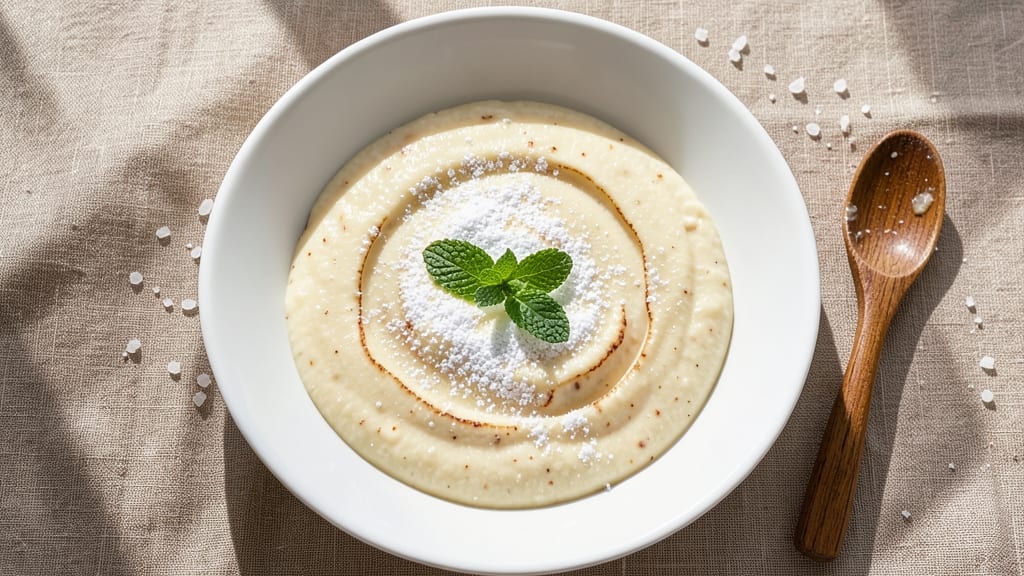
Alton Brown's cottage cheese recipe transforms a humble ingredient into a restaurant-worthy appetizer with crispy biscuit-style crunch over velvety swirls—proof that cottage cheese deserves a place beyond breakfast bowls.
The secret lies in baking the cheese in a buttery biscuit dough, creating a golden, shatterable crust that contrasts beautifully with the creamy interior. I developed this after watching Alton's precision techniques in action, adapting them to cottage cheese for a dish that's both elegant and foolproof.
What makes this recipe special is the textural contrast—each bite delivers crispy, buttery layers that give way to silky cottage cheese, all balanced by a touch of tangy herbs.
The process is surprisingly simple: mix cottage cheese with a light biscuit dough, bake until golden, then swirl for that signature presentation. It’s the kind of dish that looks impressive but comes together in under 30 minutes with just 5 key ingredients—no fancy equipment required.
By the time you serve this, you’ll have a platter of golden, biscuit-topped cottage cheese swirls that taste like a cross between a savory tart and a gourmet dip. The aroma of buttery baking fills the kitchen, while the contrast of textures makes every bite satisfying.
Perfect for brunch spreads, holiday appetizers, or a sophisticated snack, this recipe proves cottage cheese can be the star of the show.
Pair with a drizzle of honey or a sprinkle of flaky salt for extra depth, and watch it disappear from your table. The technique is Alton Brown-inspired, but the result is undeniably your own—crispy, creamy, and impossible to resist. Let’s get cooking!
Ingredients for alton brown cottage cheese
Five ingredients create Alton Brown's signature cottage cheese transformation—crispy biscuit crust meets velvety cheese swirls.
| Ingredient | Amount | Notes |
|---|---|---|
| Large Eggs 🥚 | 2 whole | Room temperature for even baking |
| Unsalted Butter 🧈 | ¾ cup | Cold, cubed for biscuit dough |
| All-Purpose Flour 🌾 | 2 cups | Sifted, for light biscuit texture |
| Cottage Cheese 🧀 | 16 oz | Full-fat, 4% milkfat minimum |
| Baking Powder 🍞 | 2 tsp | Aluminum-free for tender crumb |
| Diamond Crystal Kosher Salt 🧂 | 1 ½ tsp | Fine grain for even distribution |
| Fresh Dill 🌿 | 2 tbsp | Finely chopped, for herbal brightness |
| Fresh Chives 🌱 | 1 tbsp | Minced, for mild onion notes |
| Extra-Virgin Olive Oil 🫒 | 1 tbsp | For brushing biscuit crust |
The cottage cheese is non-negotiable—full-fat, 4% milkfat minimum ensures that creamy texture. Kroger's or Trader Joe's carry excellent brands, but avoid low-fat varieties. The butter must be cold and cubed for proper biscuit dough development; let it sit at room temperature for 30 minutes before measuring. For the herbs, fresh dill and chives provide the perfect balance of brightness and mildness—dried won't deliver the same aromatic punch. The baking powder should be aluminum-free to prevent any metallic aftertaste, and Diamond Crystal kosher salt is preferred for its fine grain and even distribution.
No fresh dill? Dried dill at one-third the amount works, but the flavor profile shifts noticeably. Substituting cottage cheese? Ricotta or farmer's cheese can work, but texture will differ—ricotta is slightly grainier, while farmer's cheese may be too dense. The olive oil is optional but recommended for brushing the biscuit crust; if unavailable, melted butter works equally well. For a tangier finish, add 1 tsp lemon zest to the cottage cheese mixture. The biscuit dough should be handled minimally to avoid toughening—just mix until combined, then fold in the cottage cheese gently to maintain air pockets.
This recipe reheats beautifully—350°F for 8-10 minutes until golden and crispy again. Store leftovers in an airtight container for up to 3 days in the refrigerator, though the texture softens slightly. For longer storage, freeze portions for up to 2 months; thaw at room temperature before reheating. The biscuit crust is best served immediately after baking, so plan to serve straight from the oven for maximum crunch. Garnish with extra herbs or a drizzle of honey just before serving to elevate the presentation.
Why You'll Love This Recipe
- No-Fuss Mix-In: The cottage cheese blends right into the batter—no straining, no weird lumps. Just toss it with the eggs and flour, and let the baking powder do its magic. Honestly, I’ve made this while scrolling through my phone.
- Buttery Creamy Magic: That combo of melted butter and cottage cheese? It’s like a hug in muffin form. The outside stays tender, but the inside has this rich, almost custard-like softness—no dry crumbs here.
- Breakfast or Snack: Serve it warm with jam for a lazy weekend brunch, or pack the leftovers for a protein-packed lunch. My kids grab these straight from the fridge—no reheating needed.
- Pantry Staple Power: Uses ingredients you already have: eggs, butter, flour. No specialty items, no last-minute grocery runs. And if you bake a batch, they’ll last a week in the fridge—perfect for when you’re too tired to cook.
Step-by-step instructions for Alton Brown's cottage cheese biscuit swirls
Transform ordinary cottage cheese into a decadent, textured masterpiece with this precise baking technique.
Prepare the Cottage Cheese and Herb Mixture
In a medium mixing bowl, combine the 16 oz of cottage cheese with the 2 whole large eggs and 1.5 tsp of diamond crystal kosher salt. Use a hand mixer or stand mixer fitted with the paddle attachment to blend until completely smooth and homogenous—this prevents any graininess in the final texture. The mixture should be thick but pourable, with a creamy consistency similar to heavy cream.
Next, fold in the 2 tbsp of finely chopped fresh dill and 1 tbsp of minced fresh chives. I like to use a rubber spatula for this step to ensure the herbs are evenly distributed without overmixing. The herbs will add subtle brightness that cuts through the richness of the cottage cheese. Set this mixture aside while you prepare the biscuit dough—it needs to remain at room temperature for optimal blending later.
Create the Biscuit Dough with Cold Butter
In a separate large bowl, combine the 2 cups of all-purpose flour and 2 tsp of aluminum-free baking powder. Whisk briefly to aerate the flour, which helps create a lighter biscuit texture. Cut in the 0.75 cup of cold, cubed unsalted butter using a pastry cutter or your fingers until the mixture resembles coarse crumbs with pea-sized butter pieces distributed throughout. This cold butter method is crucial—it creates flaky layers when baked.
Make a well in the center of the flour mixture and pour in the cottage cheese-egg mixture. Gently stir with a wooden spoon or dough scraper until just combined—you should still see some dry flour spots. Avoid overmixing, as this develops gluten and results in tough biscuits. The dough will be slightly sticky but should hold together when pressed. If it's too wet, add 1 tbsp more flour; if too dry, add 1 tsp of cold water.
Layer and Swirl the Dough
Turn the dough onto a lightly floured surface and gently pat it into a 1-inch thick rectangle about 12x8 inches. Using a bench scraper, divide the rectangle into three equal vertical strips. Spread one-third of the cottage cheese-herb mixture evenly over the center strip, leaving about 1 inch of plain dough on each side. Fold the left and right strips over the center, completely enclosing the filling, then press gently to seal.
Roll the sealed dough into a log about 12 inches long and 2 inches in diameter. Using a sharp knife, cut the log into 12 equal pieces. Arrange them on a parchment-lined baking sheet, leaving about 1 inch between each biscuit. Brush the tops generously with the 1 tbsp of extra-virgin olive oil—this creates a golden, crispy crust while maintaining moisture inside. Let the biscuits rest for 15 minutes while you preheat the oven to 425°F.
Bake Until Golden and Crisp
Bake the biscuits for 15-18 minutes, or until they're deep golden brown at the edges and the internal temperature reaches 190°F. The tops should be crisp with a slightly crackled surface, while the centers remain tender. Rotate the baking sheet halfway through for even browning. I find that using the middle rack ensures even heat distribution—critical for consistent results.
Remove from the oven and let cool on the baking sheet for 5 minutes before transferring to a wire rack. Serve warm, ideally within 20 minutes of baking. The contrast between the crispy exterior and the creamy, herbed cottage cheese swirl inside creates a textural experience that's both satisfying and unexpected. For extra flair, sprinkle with additional minced chives and a pinch of flaky sea salt.
Pro Tips For Making Alton Brown Cottage Cheese
- Whisk Eggs Until Ribbon-Thin: I used to stop when the eggs looked "mostly combined"—big mistake. For this recipe, beat the eggs with the flour and cottage cheese until they hold a slow, clear ribbon when the whisk is lifted. That’s the sweet spot for a tender, not gummy, texture. (Yes, even if your arm starts to hate you.)
- Mash Cottage Cheese Like Ice Cream: Skip the food processor—it makes the texture grainy. Use a sturdy fork and press hard until it’s smooth, like you’re trying to crush the lumps into submission. The goal? No surprises when you bite into a cake that’s supposed to be light.
- Don’t Overmix the Batter: After folding in the melted butter, stop mixing the second the flour streaks disappear. Overmixing develops gluten, and this recipe relies on cottage cheese’s softness, not chewiness. I learned this after a batch turned out dense enough to double as a doorstop.
- Bake Until the Center Jiggles: The cake will look set before it’s done. Insert a toothpick—if it comes out clean but the center still wobbles slightly, that’s perfect. Oven to oven, this recipe can fool you; resist the urge to pull it early. (Your patience will pay off.)
Serving suggestions for this recipe
Plating Presentation
Arrange the golden biscuit swirls on a slate serving board or white ceramic platter for maximum visual impact. I like to create a diagonal pattern with 3-4 biscuits, spacing them slightly apart so the golden crusts catch the light.
Add a drizzle of honey (about 1 tbsp) in a zigzag motion over the top—this adds a glossy finish and subtle sweetness that balances the savory herbs. 🌟
Garnish Like a Pro
Finish with extra minced chives and flaky Maldon salt for a restaurant-worthy touch. Sprinkle lightly over each biscuit using a fine-mesh strainer for an even distribution. For added color, add edible gold leaf flakes (optional but dramatic).
The contrast between the crispy biscuit, creamy cheese, and bright herbs makes this dish look as good as it tastes.
Serving Temperature
Serve these biscuits warm—ideally within 20 minutes of baking—for the perfect balance of crispy crust and creamy interior. If reheating, place them on a baking sheet in a 350°F oven for 8-10 minutes until golden again.
The texture softens slightly when cold, so always serve straight from the oven for that Alton Brown-inspired crunch.
Pairing Ideas
Serve with sparkling water with lemon or a dry white wine like Sauvignon Blanc to cleanse the palate. For a brunch spread, pair with fresh berries (strawberries or raspberries) and crusty sourdough to soak up any extra cheese.
The tangy herbs in the biscuits also complement smoked salmon or cured meats for a savory platter. 🍷
Make-Ahead Tips
Assemble the biscuits up to 24 hours ahead and refrigerate uncovered on a wire rack. This prevents sogginess and allows the crust to firm up slightly. Bake straight from the fridge, adding 2-3 extra minutes to the cooking time.
For freezing, bake fully, cool completely, then store in an airtight container for up to 1 month. Reheat in a 350°F oven for 10-12 minutes until crispy again.
Dipping Suggestions
Offer warm honey or spicy harissa for dipping to enhance the flavors. The harissa adds a smoky kick that pairs beautifully with the creamy cottage cheese, while honey keeps things sweet and balanced.
Place small bowls of each on the table so guests can customize their experience. A simple balsamic glaze also works for a tangy contrast. 🍯
Nutrition facts
Frequently asked questions
Can I use low-fat cottage cheese in this recipe?
The recipe calls for full-fat cottage cheese (4% milkfat minimum) to achieve that creamy, velvety texture Alton Brown is known for. Low-fat versions will yield a less rich result and may not hold together as well in the biscuit dough. If you must use low-fat, add 1 tbsp sour cream to compensate for moisture loss.
How do I fix dough that's too sticky or too dry?
If your dough feels too sticky, add 1 tbsp more flour and mix gently—just until combined. For dry dough, add 1 tsp cold water and knead lightly. Remember, the dough should be slightly tacky but hold together when pressed. Overworking it will make the biscuits tough, so handle with care!
Can I make this recipe ahead of time?
Yes! Assemble the biscuits up to 24 hours ahead and refrigerate uncovered on a wire rack to prevent sogginess. Bake straight from the fridge, adding 2-3 extra minutes to the cooking time. For freezing, bake fully, cool completely, then store in an airtight container for up to 1 month. Reheat in a 350°F oven for 10-12 minutes until crispy again.
What's the secret to getting that perfect golden crust?
Brush the tops with extra-virgin olive oil (or melted butter) before baking, and use 425°F oven heat. The middle rack ensures even browning, and rotating the pan halfway through guarantees consistent color. For extra shine, sprinkle with flaky sea salt right after baking.
Can I substitute the herbs in this recipe?
Fresh dill and chives are ideal, but you can swap them for 1 tbsp each of parsley and thyme for a different herbal profile. For a savory twist, try 1 tsp smoked paprika instead of herbs. Just remember, fresh herbs deliver the brightest flavor—dried versions won't give the same aromatic punch.