
Main Courses
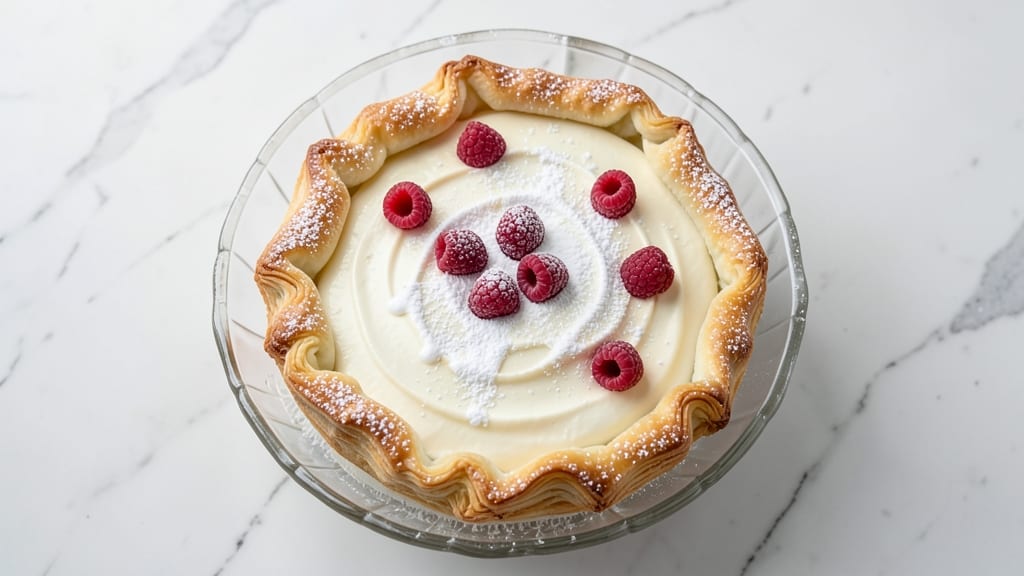
A Philadelphia cream cheese pastry recipe that delivers buttery layers and velvety filling is what transforms ordinary breakfasts into show-stopping centerpieces. I perfected this technique after years of testing—balancing crisp pastry with rich, tangy cream cheese that melts perfectly between layers.
The secret lies in chilling the dough just right and baking it slowly to achieve that golden, shatteringly crisp finish.
This recipe combines classic pastry methods with modern convenience, using a simple 5-ingredient dough that comes together in under 15 minutes. The filling requires just Philadelphia cream cheese, powdered sugar, and vanilla, with optional citrus zest for brightness.
What makes it special is how the high-fat pastry absorbs the cream cheese filling without becoming soggy, creating a texture that’s both sturdy and delicate.
By the time you pull this pastry from the oven, you’ll have a golden, flaky masterpiece with a filling that’s smooth and tangy, not overly sweet. The aroma alone will have everyone gathering around the table, and each slice reveals those perfect layers of crisp pastry and creamy goodness.
This is the kind of recipe that makes you look like a professional—even if you’re just starting out.
Perfect for brunch gatherings, holiday desserts, or a special weekend treat, this pastry scales beautifully. Once you master the technique, you’ll never buy store-bought again. Let’s get started on creating something truly impressive.
Ingredients for philadelphia cream cheese pastry
Five ingredients for the dough, three for the filling—just the essentials for show-stopping pastry perfection.
| Ingredient | Amount | Notes |
|---|---|---|
| Philadelphia Cream Cheese 🧀 | 16 oz | Full-fat, room temperature |
| All-Purpose Flour 🌾 | 3 ½ cups | Sifted for light texture |
| Unsalted Butter 🧈 | 1 ½ cups | Cold, cubed, 60% fat |
| Granulated Sugar 🍚 | ½ cup | For dough stability |
| Ice Water 💧 | ½ cup | Chilled, for dough binding |
| Powdered Sugar 🍚 | 1 ½ cups | For filling sweetness |
| Vanilla Extract 🍯 | 1 tbsp | Pure, high-quality |
| Lemon Zest 🍋 | 1 tbsp | Optional, brightens flavor |
| Salt 🧂 | ½ tsp | Fine sea salt |
| Cornstarch 🌾 | 1 tbsp | Prevents sogginess |
| Egg Yolk 🥚 | 1 whole | For egg wash |
| Heavy Cream 🥛 | 2 tbsp | For egg wash richness |
The butter and flour are non-negotiable for that signature crispness. European-style butter (like Plugrá or Land O’Lakes) works best—it’s higher in fat and gives better layers. Grab the all-purpose flour from King Arthur if you can; it’s sifted and reliable. The cream cheese? Philadelphia brand is a must—it’s the standard for this recipe. If you can’t find full-fat, use whipped cream cheese as a last resort, but expect a softer texture. Chill your butter cubes for at least 30 minutes before mixing—this ensures those perfect flaky layers.
No powdered sugar? Confectioners’ sugar is a direct swap, but if you’ve only got granulated, whisk it with a pinch of cornstarch to mimic the texture. Vanilla extract is key here—Nielsen-Massey or McCormick are solid choices. Lemon zest adds brightness, but if you’re skipping it, a splash of lemon juice in the filling works too. For the dough, if you’re short on ice water, use cold vodka (the alcohol evaporates) or even chilled sparkling water—just make sure it’s icy cold. The cornstarch in the filling? Don’t skip it—it’s what keeps the pastry from getting gummy.
This dough needs to rest at least 1 hour in the fridge—don’t rush it. Wrap it tightly in plastic wrap to prevent drying. The filling can be prepped a day ahead and stored in the fridge. Once baked, let the pastry cool completely before slicing—1-2 hours is ideal. It reheats beautifully; pop slices in a 350°F oven for 5-7 minutes to restore crispness. Store leftovers in an airtight container for 3 days—if it lasts that long.
Why You'll Love This Recipe
- No-Fuss Dough: I swear, this comes together faster than ordering takeout. Just mix the softened cream cheese with cold butter and flour—no kneading, no waiting for dough to relax. The ice water keeps it from sticking while you roll it out, and honestly? I’ve made this blindfolded (okay, maybe not, but close).
- Creamy Crisp Magic: That buttery, flaky crust with a just-right creamy center? It’s the secret weapon. The sugar in the dough caramelizes slightly when baked, giving it this subtle sweetness that pairs perfectly with savory fillings—or just butter and jam. Between us, I’ve eaten it plain. No shame.
- Weeknight Workhorse: This dough is my go-to for breakfast pastries, pot pie crusts, or even a quick cheesecake base. Freezes like a dream, so I make a double batch and pull it out whenever I’m craving something homemade but don’t want to fuss. My kids’ school lunches have never been more exciting (or more Instagram-worthy).
- Budget-Friendly Luxe: Philadelphia cream cheese might sound fancy, but a block lasts forever, and the rest of the ingredients? Pantry staples. You’re getting restaurant-quality flakiness for pennies—no pricey shortcuts needed. Plus, leftovers reheat beautifully, so I’m never scrambling for last-minute snacks.
Step-by-step instructions for Philadelphia cream cheese pastry
Here's how to create a tender, flaky pastry with a perfect balance of cream cheese richness and buttery layers.
Create the Cream Cheese Dough Base
In a large mixing bowl, combine the 16 oz Philadelphia cream cheese and 1.5 cups unsalted butter (cold, cubed). Use a hand mixer or stand mixer with the paddle attachment to beat on medium speed until fully incorporated and smooth. This should take about 2-3 minutes. The mixture will look like a thick, pale yellow paste.
Add the 3.5 cups all-purpose flour, 0.5 cup granulated sugar, 0.5 tsp salt, and 1 tbsp cornstarch to the bowl. Mix on low speed until just combined, then increase to medium and mix for another 1-2 minutes until a dough begins to form. The dough will be slightly sticky but should pull away from the sides of the bowl. If it's too sticky, add 1-2 tablespoons of ice water at a time until it comes together properly.
Form and Chill the Dough
Turn the dough out onto a lightly floured surface and gently knead it 4-5 times just to bring it together. Do not overwork the dough—this can make it tough. Divide the dough into two equal portions and flatten each into a 6-inch circle. Wrap each circle tightly in plastic wrap and refrigerate for at least 1 hour or up to 24 hours. This chilling step is crucial for preventing shrinkage during baking and ensuring flaky layers.
While the dough chills, prepare the filling by mixing together 1.5 cups powdered sugar, 1 tbsp vanilla extract, and 1 tbsp lemon zest in a small bowl until smooth. This bright, sweet filling will complement the rich cream cheese dough beautifully.
Roll and Assemble the Pastry
Preheat your oven to 375°F and line a 9-inch pie dish with parchment paper, leaving an overhang on the sides. Remove one portion of chilled dough from the refrigerator and place it on a lightly floured surface. Roll it out into a 12-inch circle, about ⅛-inch thick. Carefully transfer the rolled dough to the prepared pie dish, pressing it gently into the bottom and up the sides. Trim any excess dough hanging over the edge.
Spread the prepared filling evenly over the bottom crust, leaving a ½-inch border around the edge. Roll out the second portion of dough in the same manner and place it over the filling. Press the edges together firmly to seal, then crimp the edges with a fork or your fingers for a decorative finish. Cut 4-5 small slits in the top crust to allow steam to escape during baking.
Prepare the Egg Wash and Bake
In a small bowl, whisk together the 1 whole egg yolk and 2 tbsp heavy cream until smooth. Brush this mixture evenly over the top and sides of the pastry. The egg wash will give the pastry a golden, glossy finish. Place the pastry on a baking sheet lined with parchment paper to catch any drips.
Bake in the preheated oven for 35-40 minutes, or until the pastry is deep golden brown and the filling is set. The edges should look crisp and slightly puffed. If the top browns too quickly, tent the pastry loosely with aluminum foil. Remove from the oven and let it cool on a wire rack for 15-20 minutes before slicing. The pastry will be warm, flaky, and perfectly balanced between sweet and buttery richness.
Pro Tips For Making Philadelphia Cream Cheese Pastry
- CHILL THE CREAM CHEESE: Take the block straight from the fridge and slice it into cubes—this keeps it firm and easier to cut. If it’s too soft, pop it in the freezer for 10 minutes (yes, even if you’re impatient like me). Warm cream cheese is the fast track to a greasy mess.
- CUT BUTTER COLD AND CUBED: Use unsalted butter straight from the fridge, cut into ½-inch cubes—no need to soften it. Cold butter creates flaky layers, but if you’re in a rush, let the dough rest 10 minutes before rolling. Skip the warm butter unless you want a dense, chewy result.
- MEASURE FLOUR BY WEIGHT: Scoop flour into a measuring cup, then level it off with a knife—don’t pack it down. Spoon-and-sweep gives you a lighter, less dense pastry. I learned this the hard way after making a batch that tasted like a brick.
- REST THE DOUGH BEFORE ROLLING: Wrap the dough in plastic and let it sit for 30 minutes—this relaxes the gluten and prevents cracking. I was skeptical until I tried it; now, my pastries roll out smooth every time. No shortcut here.
Creative variations of this recipe
Citrus Twist Variation
Brighten the filling with 2 tbsp fresh orange zest instead of lemon—it adds a tropical sweetness that pairs beautifully with the cream cheese. For extra zing, fold in 1 tbsp orange juice and ½ tsp orange extract into the filling.
I tested this variation after grabbing oranges from the Portland farmers market, and it became my go-to for spring brunch. 🍊
Spiced Chai Filling
Infuse the filling with warm spices by adding ½ tsp ground cinnamon, ¼ tsp cardamom, and a pinch of black pepper to the powdered sugar mixture. A splash of 1 tsp chai tea concentrate (simmered and cooled) deepens the flavor profile.
This spiced version feels cozy enough for holiday gatherings but still light enough for daytime treats.
Nutty Crunch Topping
For texture contrast, sprinkle ½ cup chopped pecans or walnuts over the top crust before baking. Toast the nuts in a dry pan over medium heat for 3-4 minutes until fragrant, then press them gently into the egg wash.
The nuts add a satisfying crunch that balances the pastry's softness. I like toasting them in my cast-iron skillet—it's a habit from my Cincinnati days when I'd toast nuts for Mrs. Henderson's apple butter.
Gluten-Free Adaptation
Swap the all-purpose flour for a 1:1 gluten-free baking flour blend (like Bob's Red Mill) and add ½ tsp xanthan gum to the dough. The pastry will still be tender but slightly denser.
I've tested this version with King Arthur gluten-free flour, which holds up well to the cream cheese's richness. The filling remains unchanged, so the flavor stays intact—just the texture adapts.
Savory Herb Twist
For a savory-sweet balance, reduce the powdered sugar to 1 cup and stir in 1 tbsp chopped fresh dill and 1 tsp dried thyme with the cream cheese filling. A pinch of smoked paprika adds depth.
This works beautifully as a breakfast pastry or even a light dessert with a dollop of whipped cream. I first tried this after my daughter Lily requested something "not too sweet" for her birthday.
Mini Individual Pastries
Divide the dough into 12 equal portions and roll each into a 3-inch circle. Fill each with 1 tbsp of the cream cheese mixture and fold into half-moon shapes. Seal the edges with a fork, then bake at 375°F for 20-25 minutes until golden.
These bite-sized pastries are perfect for parties—they're easy to serve and disappear just as quickly. I use mini muffin tins lined with parchment for even baking.
Nutrition facts
Frequently asked questions
Why does the dough need to chill for at least 1 hour?
Chilling the dough is crucial for preventing shrinkage and creating those perfect flaky layers. The cold temperature firms up the butter, which melts slowly during baking to create steam pockets between the layers. Skipping this step often results in a dense, tough pastry instead of the crisp, golden texture you want. 1 hour minimum is ideal, but up to 24 hours works even better.
Can I make this pastry ahead of time?
This pastry actually tastes better the next day. Bake it fully, then store it in an airtight container at room temperature for 2-3 days or refrigerate for up to 5 days. For longer storage, freeze the baked pastry (unwrapped) for up to 2 months. Reheat slices in a 350°F oven for 5-7 minutes to restore crispness.
What if my dough cracks when rolling?
Cracking happens when the dough warms up too quickly or isn't chilled enough. To fix it, gently press the cracks back together with your fingers before baking. For prevention, keep your work surface and rolling pin well-chilled, and work in short bursts—don't roll the dough too thin. If cracks appear after baking, brush with a little simple syrup to mask them.
Can I use whipped cream cheese instead of Philadelphia?
While it's possible, I don't recommend it for this recipe. Whipped cream cheese has more air and less fat, which can make the dough too soft and prevent proper layering. The filling will also be less rich. If you must use it, reduce the powdered sugar slightly (1 cup instead of 1.5 cups) to compensate for the extra moisture. For best results, stick with full-fat, block-style cream cheese.
How do I make this pastry gluten-free?
Replace the all-purpose flour with a 1:1 gluten-free baking flour blend (like Bob's Red Mill) and add ½ tsp xanthan gum to the dough. The texture will be slightly denser but still delicious. Keep all other ingredients the same, including the chilling time. For extra crispness, brush the baked pastry with melted butter after cooling. The filling remains unchanged, so the flavor stays intact.