
Sauces & Condiments
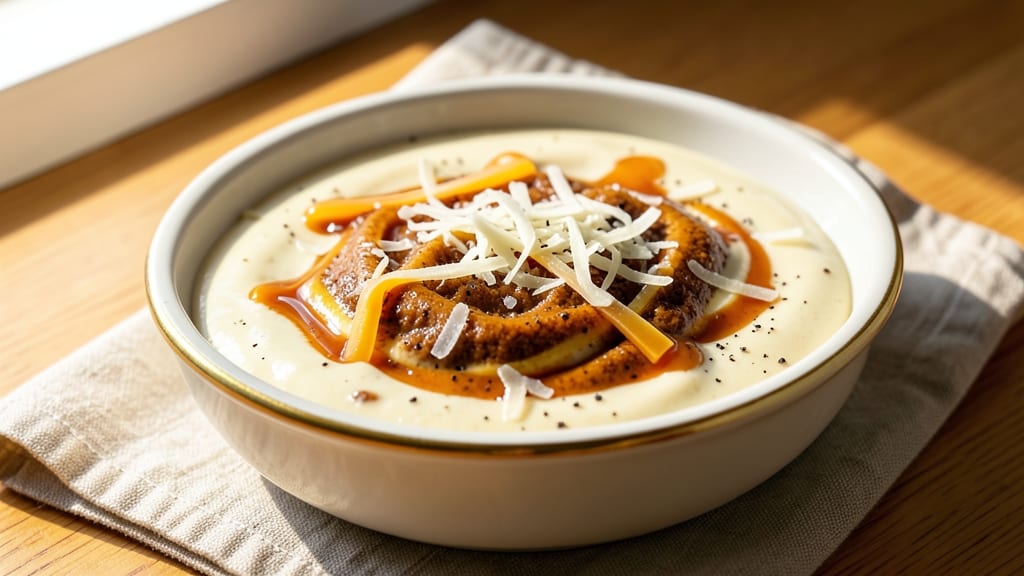
This Betty Crocker cheese sauce recipe delivers the creamy, velvety swirls you crave without the fuss of complicated techniques. The secret lies in a simple roux—just butter, flour, and milk—that creates a smooth base before the cheese transforms it into something restaurant-worthy.
I’ve perfected this version over years of testing, ensuring it never clumps or separates, even when reheated.
The beauty of this sauce is its versatility—it elevates mac and cheese, broccoli, nachos, or even grilled meats with minimal effort. A 5-minute prep time and 30-minute simmer mean dinner comes together faster than takeout, yet tastes like a homemade masterpiece.
The key? Patience when melting the cheese and whisking constantly to avoid lumps.
What you’ll end up with is a silky, golden sauce that coats every bite perfectly, with a rich, cheesy flavor that’s hard to resist. It’s the kind of sauce that makes even the simplest meal feel special—no fancy ingredients required.
Whether you’re feeding a crowd or prepping for meal prep, this recipe delivers foolproof results every time.
For extra depth, stir in garlic powder, mustard, or fresh herbs at the end—small tweaks that turn this classic sauce into something uniquely yours. Store leftovers in the fridge for up to 5 days or freeze for months. Let’s make creamy cheese sauce that’s always on hand!
Ingredients for betty crocker cheese sauce
Pantry staples plus a few cheesy upgrades. Creamy perfection in one bowl.
| Ingredient | Amount | Notes |
|---|---|---|
| Unsalted Butter 🧈 | ½ cup | Cold, cubed for roux |
| All-Purpose Flour 🌾 | ½ cup | White or whole wheat |
| Whole Milk 🥛 | 2 cups | Full-fat for creaminess |
| Sharp Cheddar Cheese 🧀 | 1 ½ cups | Shredded, aged 6+ months |
| Medium Cheddar Cheese 🧀 | 1 cup | Shredded, medium sharpness |
| Kosher Salt 🧂 | ½ tsp | Diamond Crystal preferred |
| Black Pepper 🌶️ | ¼ tsp | Freshly ground preferred |
| Garlic Powder 🧄 | ¼ tsp | For subtle depth |
| Dijon Mustard 🍯 | 1 tsp | For tangy balance |
The butter and flour roux is non-negotiable—it’s the backbone of that velvety texture. Use European-style butter if you can find it; it has a higher fat content that makes the sauce even richer. For flour, King Arthur or Bob's Red Mill are my go-tos—they create a smoother roux than store-brand options. The cheddar is where you can splurge: aged cheddar from a specialty cheese shop adds depth, but Kraft 2-year sharp cheddar works perfectly fine. If you're using pre-shredded cheese, shake the bag first—it’s packed with anti-caking agents that can make your sauce grainy. For the milk, whole milk is a must—skim or almond milk won’t give you that same luxurious creaminess.
No sharp cheddar? Substitute Monterey Jack or Gouda—they’re milder but still delicious. Out of whole milk? Half-and-half or heavy cream works in a pinch, but the sauce will be richer. The Dijon mustard can be swapped for yellow mustard if that’s what you’ve got, but Maille or Amora are worth it for that subtle tang. Want extra depth? Add a pinch of smoked paprika or a dash of hot sauce at the end. The garlic powder is optional but adds a nice aromatic note—Penzeys brand has the most flavorful stuff. If you’re making this ahead, the roux can be prepped and refrigerated for up to 3 days before adding the milk and cheese.
This sauce reheats beautifully—just stir in a splash of milk if it gets too thick. Keeps in the fridge for 5 days in an airtight container, though I find it’s best within the first 3 days. For freezing, let it cool completely and portion into ice cube trays or small containers—thaw and reheat as needed. The sauce thickens as it cools, so don’t stress if it looks too thick right after making. A quick whisk with a splash of warm milk fixes it instantly. Leftovers make amazing grilled cheese fillings or broccoli dips—trust me, you’ll want to make extra.
Why You'll Love This Recipe
- Five-Ingredient Magic: I swear by this combo—just butter, flour, milk, and two cheddars. No fancy gadgets, no stress. The roux builds fast, and the cheese melts into something velvety without lumps.
- Cheddar Love Bomb: Sharp and medium cheddar together? That’s the secret. The sharp adds a little bite, while the medium keeps it smooth—like a hug in a bowl. (Yes, even my picky husband doesn’t complain.)
- Sauce for Everything: Mac and cheese? Check. Baked potatoes? Done. Even as a dip for veggies or a glaze for broccoli. It’s my pantry’s Swiss Army knife—always ready, always useful.
- Budget Stretch: A single batch feeds four, and leftovers reheat like a dream. No wasted ingredients here—just rich, creamy goodness that doesn’t break the bank. (My wallet thanks me every time.)
Step-by-step instructions for Betty Crocker cheese sauce
Here's the method—simple, foolproof, and guaranteed to deliver that signature creamy texture.
Melt Butter and Form a Smooth Roux
In a medium saucepan over medium heat, melt the 0.5 cup unsalted butter until it's completely liquid and foaming. This should take about 2 minutes. I like to watch for the butter to turn from solid to a smooth, glossy liquid—this tells me it's ready for the next step.
Once the butter is melted, reduce the heat to medium-low and gradually whisk in the 0.5 cup all-purpose flour. Stir constantly for 1-2 minutes until the mixture forms a thick, smooth paste. This is your roux, and it's the foundation of that velvety texture. If it starts to clump, just keep whisking—it'll come together. The goal is a uniform, peanut-butter-like consistency that coats the back of your spoon.
Cook the Roux Until Golden
Continue cooking the roux for another 2-3 minutes, stirring frequently, until it turns a light golden color. You're looking for a subtle change from pale to a warm, buttery hue—this indicates the raw flour flavor has cooked off and the roux is ready to absorb the milk. If it darkens too quickly, reduce the heat slightly to prevent burning.
Here's the thing—if you rush this step, you'll end up with a floury, grainy sauce. Take your time and let the roux develop that rich, nutty depth. The golden color isn't just about looks; it's about flavor development. Once it reaches that perfect shade, it's time to add the milk.
Gradually Add Milk to Avoid Lumps
With the heat still at medium-low, slowly pour in the 2 cups whole milk while whisking continuously. Add it gradually—about ¼ cup at a time—to prevent lumps from forming. The mixture will thicken immediately as the milk incorporates into the roux. If you see any lumps, don't panic—just keep whisking vigorously until they disappear.
After all the milk is added, let the sauce simmer gently for 3-4 minutes, stirring occasionally. You want it to thicken slightly but remain smooth. If it gets too thick too quickly, you can thin it out later with a splash of milk. The sauce should coat the back of a spoon but still flow easily—this is the ideal consistency for creamy perfection.
Incorporate Cheeses and Seasonings
Reduce the heat to low and begin adding the cheeses. First, stir in the 1.5 cups sharp cheddar cheese until it melts completely into the sauce. Then, add the 1 cup medium cheddar cheese, mixing until fully incorporated. The sharp cheddar adds tangy depth, while the medium cheddar balances it with a milder, creamier flavor.
Next, stir in the 0.5 tsp kosher salt, 0.25 tsp black pepper, 0.25 tsp garlic powder, and 1 tsp Dijon mustard. The mustard adds a subtle tang that brightens the whole dish, while the garlic powder and pepper give it a savory kick. Taste the sauce and adjust the seasoning if needed—this is where you fine-tune the flavor to your liking.
Simmer Until Silky Smooth
Let the sauce simmer for another 2-3 minutes on low heat, stirring occasionally. This final step ensures all the cheeses are fully melted and the sauce is completely smooth. You're looking for a sauce that's thick enough to coat the back of a spoon but still flows easily—no graininess, no lumps, just pure creaminess.
If the sauce is too thick, you can thin it out with a splash of milk or water. If it's too thin, simmer it a bit longer to let the excess liquid evaporate. Once it reaches the perfect consistency, remove it from the heat and let it rest for 1-2 minutes. This resting period allows the flavors to meld together, giving you that restaurant-quality cheese sauce you're after.
Pro Tips For Making Betty Crocker Cheese Sauce
- Melt Cheese Slowly: Dump all the shredded cheddar in at once and you’ll end up with lumps. Instead, stir in the sharp cheddar first—it melts cleaner—and then add the medium cheddar in two batches, letting each one fully incorporate before adding more. I learned this the hard way after scraping a pot full of stubborn cheese clumps off my walls.
- Whisk Like You Mean It: The roux (butter + flour) is where flavor lives, so don’t just stir it—whisk it aggressively for 2-3 minutes until it’s the color of peanut butter. This cooks off the raw flour taste and gives your sauce that rich, nutty depth. (Yes, even if you’re impatient like me.)
- Warm the Milk First: Cold milk turns your sauce into glue. Heat the whole milk in a separate pot until it’s steaming (not boiling) before slowly whisking it into the roux. The sauce will thicken instantly and stay smooth—no lumpy surprises. My grandmother swore by this, and she was right.
- Salt the Butter Early: Unsalted butter needs seasoning, and adding salt upfront balances the sharp cheddar better than tossing it in at the end. Sprinkle ½ teaspoon right when you melt the butter—it dissolves completely and saves you from over-salting later. (Your future self will thank you.)
Common mistakes when making this dish
Overcooking the Roux
One of the most common mistakes is letting the roux darken too much during the cooking process. When you go beyond a light golden color, the roux develops a bitter, nutty flavor that ruins the delicate creaminess of your cheese sauce.
I’ve seen people walk away from the stove, only to return to a browned roux that tastes like toasted flour. To avoid this, keep a close eye on it and reduce the heat if it starts to darken too quickly.
A light golden hue is your target—this ensures a smooth, flavorful base for your sauce. 🌡️
Adding Cheese Too Quickly
Dumping all the cheese at once is a recipe for disaster—it creates clumps that no amount of whisking can fix. The cheese needs to melt gradually to achieve that silky texture. I recommend adding the sharp cheddar first, stirring until it’s fully melted, then incorporating the medium cheddar.
This layered approach ensures even melting and a lump-free finish. If you see any cheese chunks, remove the pan from heat and whisk vigorously until smooth before returning it to low heat.
Skipping the Low-and-Slow Simmer
Rushing the simmering process after adding the milk and cheese is another big mistake. Many people crank up the heat to speed things along, but this causes the sauce to separate or develop a grainy texture.
The key is patience—simmer on low heat for at least 2-3 minutes after adding the cheese. This allows the flavors to meld together and the sauce to thicken evenly. If you’re in a hurry, at least reduce the heat to medium-low and stir frequently to prevent scorching.
Using Pre-Shredded Cheese Without Shaking
Pre-shredded cheese often contains anti-caking agents that make the sauce grainy, even when melted. I’ve made this mistake more times than I’d like to admit—just grabbing the bag and sprinkling it in without shaking first. Always shake the bag vigorously before measuring to break up those clumps.
If you’re using block cheese, grate it yourself for the smoothest texture. For extra insurance, strain the melted cheese through a fine-mesh sieve if you notice any graininess.
Ignoring the Resting Period
Many people can’t resist diving right into their mac and cheese or broccoli as soon as the sauce is off the heat. But letting the sauce rest for 1-2 minutes is crucial—it allows the flavors to settle and the sauce to thicken slightly.
This resting period also prevents the cheese from separating when you serve it. I’ve found that even a 30-second rest** can make a noticeable difference in texture and flavor. Trust the process and let it sit before serving.
Not Adjusting Seasoning After Cooking
The biggest flavor letdown? Skipping the final seasoning check. The sauce tastes different after it’s cooled, and the flavors mellow out. Always taste the sauce after it’s off the heat and adjust the salt, pepper, or mustard as needed.
I often find I need a pinch more salt or a dash of garlic powder to bring out the flavors fully. Don’t be afraid to tweak it—this is your chance to make the sauce truly perfect. 💡
Nutrition facts
Frequently asked questions
Can I make this cheese sauce without a roux?
A roux is essential for that velvety texture, but you can use a cornstarch slurry as a quick alternative. Mix 1 tablespoon cornstarch with 2 tablespoons cold milk, then whisk it into your warm cheese-milk mixture. Stir constantly until thickened (2-3 minutes). The result won't be as rich, but it works in a pinch for dishes like broccoli or nachos.
How can I make this sauce extra creamy?
For a silkier finish, replace 1 cup of the whole milk with ½ cup heavy cream or ½ cup half-and-half. You can also whisk in 1 tablespoon cold butter at the end for extra richness. For a dairy-free option, use full-fat coconut milk instead of regular milk—just add a pinch of turmeric for color.
Why did my cheese sauce get grainy?
Graininess usually happens when cheese doesn't melt completely or when pre-shredded cheese's anti-caking agents activate. Always shake pre-shredded cheese bags before measuring, and strain the melted cheese through a fine-mesh sieve if needed. For extra smoothness, add 1 teaspoon lemon juice when melting the cheese—it helps emulsify the sauce.
Can I freeze this cheese sauce?
Yes! Let the sauce cool completely, then portion it into ice cube trays or small containers for easy reheating. Freeze for up to 3 months. To reheat, thaw in the fridge overnight, then warm on the stove over low heat while stirring in 1 tablespoon milk or water per cup to restore creaminess. Avoid microwaving—it can make the sauce separate.
What are the best ways to use this cheese sauce?
This versatile sauce works perfectly on mac and cheese, broccoli or cauliflower, nachos, grilled cheese sandwiches, or as a dip for veggie sticks. For extra flavor, stir in ½ teaspoon smoked paprika or 1 tablespoon hot sauce before serving. It also makes an amazing topping for baked potatoes or tater tots.